
Tea Picking in Shizuoka and Learning How Japanese Tea Is Actually Made
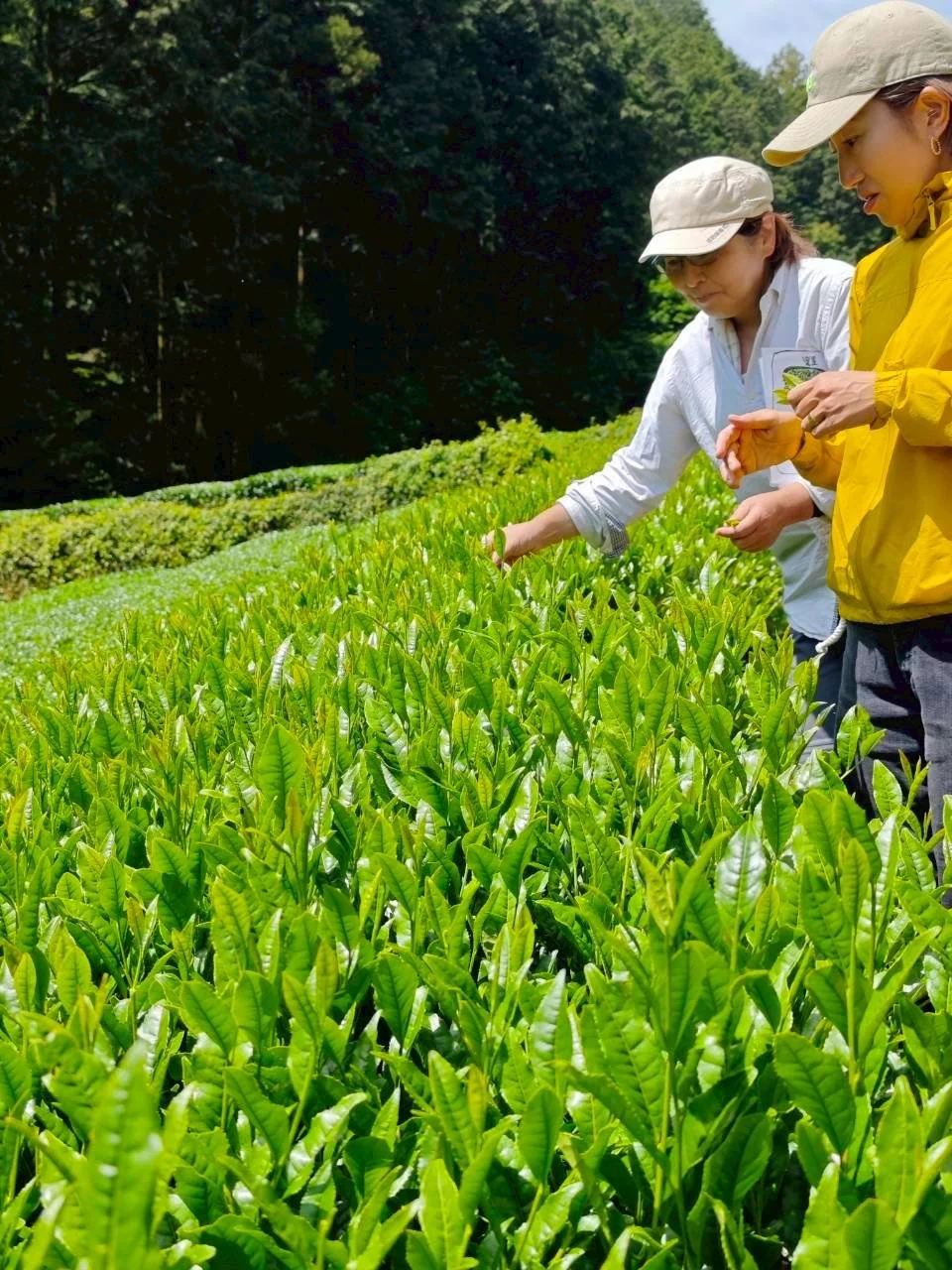
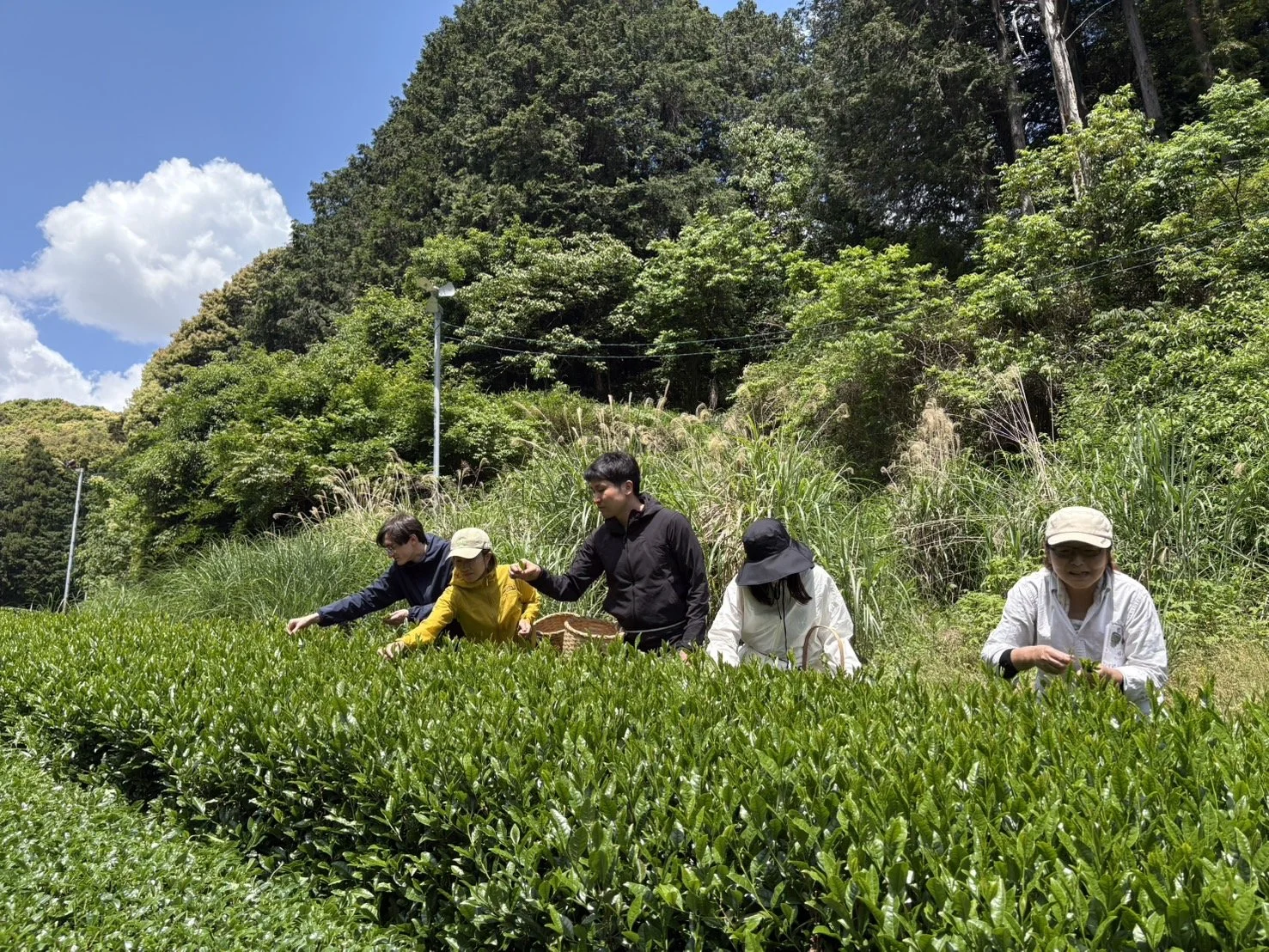
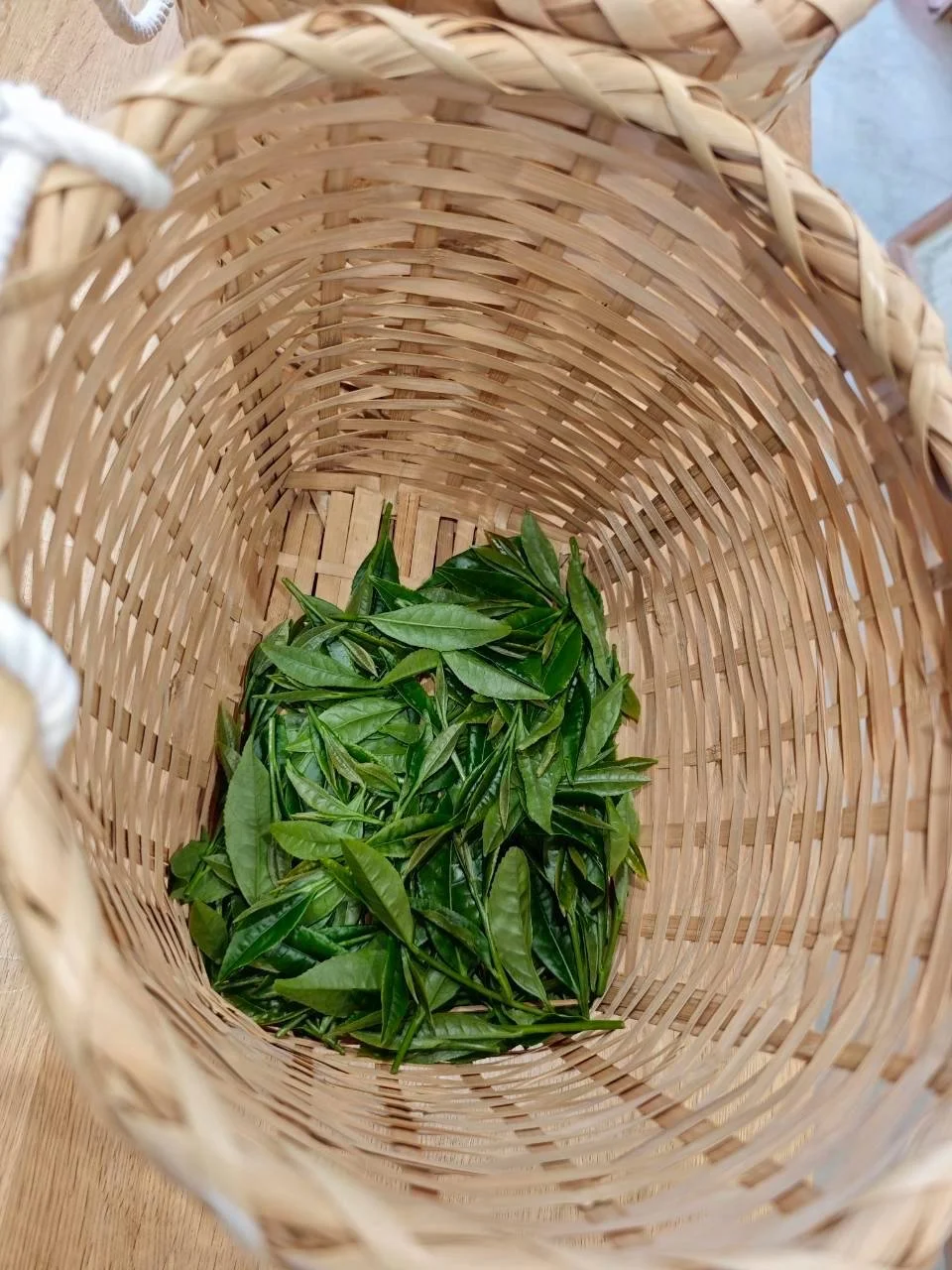
May is new tea season in Japan, so recently I went tea picking in Fukuroi, Shizuoka.
We visited a fifth generation tea farming family through one of my husband’s work connections, and honestly, the whole family was amazing. Especially the mother. She had endless energy.
Shizuoka is one of Japan’s most famous tea regions, but what I didn’t realize before going there is how hilly it is. A lot of the tea fields are built along steep slopes in these beautiful layered rows.
And it was HOT.
At some point during tea picking, I genuinely thought, “Tea farmers are built differently.”
I also got to learn a lot more about matcha.
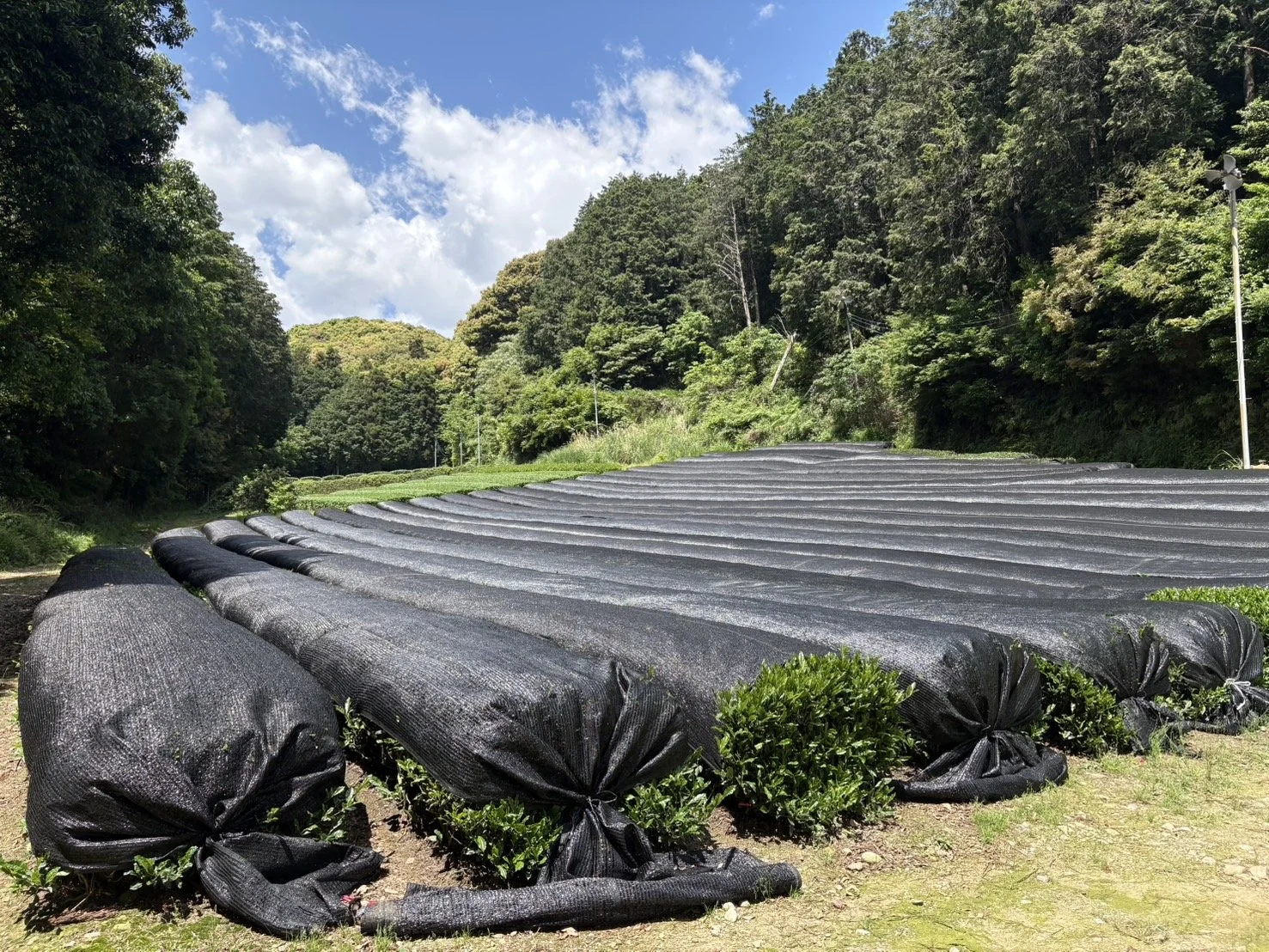
About two weeks before harvest, the tea plants used for matcha are covered to block sunlight. This helps the leaves stay bright green and is said to reduce bitterness while increasing umami.
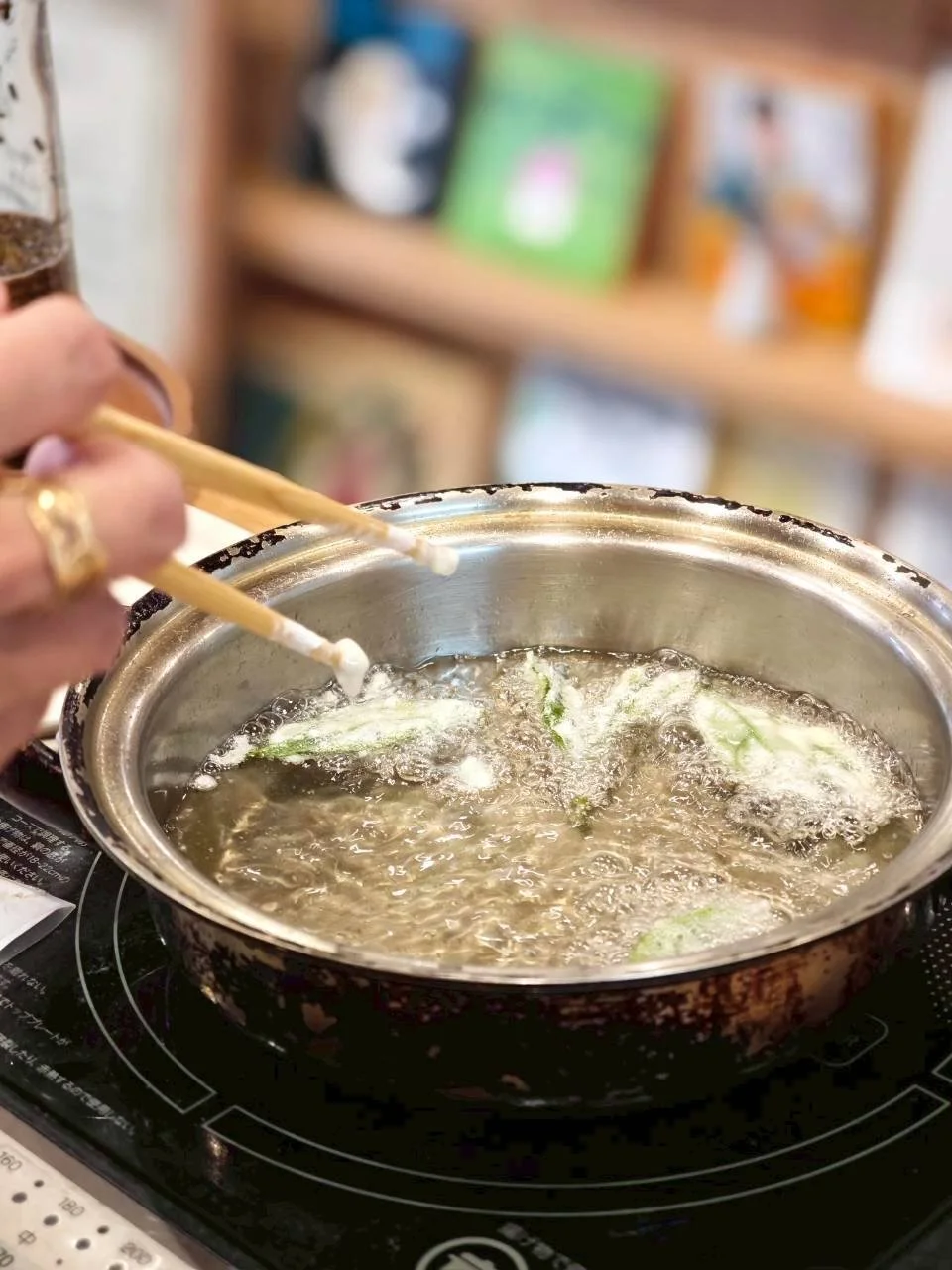
We tasted the fresh tea leaves as tempura right on the farm, and the difference between regular green tea leaves and matcha leaves was actually pretty surprising.
The matcha leaves were way less bitter.
I think a lot of people imagine matcha as strong and bitter, but really good matcha has comfy bitterness and umami than people expect.
We also toured the tea processing factory, which was fascinating.
Apparently Japanese green tea, oolong tea, and black tea all come from the same plant. The difference is what happens after the leaves are picked.
For Japanese green tea, the leaves are steamed almost immediately after harvesting to stop oxidation. Then they’re cooled, rolled, dried, and shaped into those thin needle-like leaves you see in Japanese tea.
There are a lot more steps involved too, but seeing the process in person made me appreciate how much work goes into something as simple as a cup of tea.
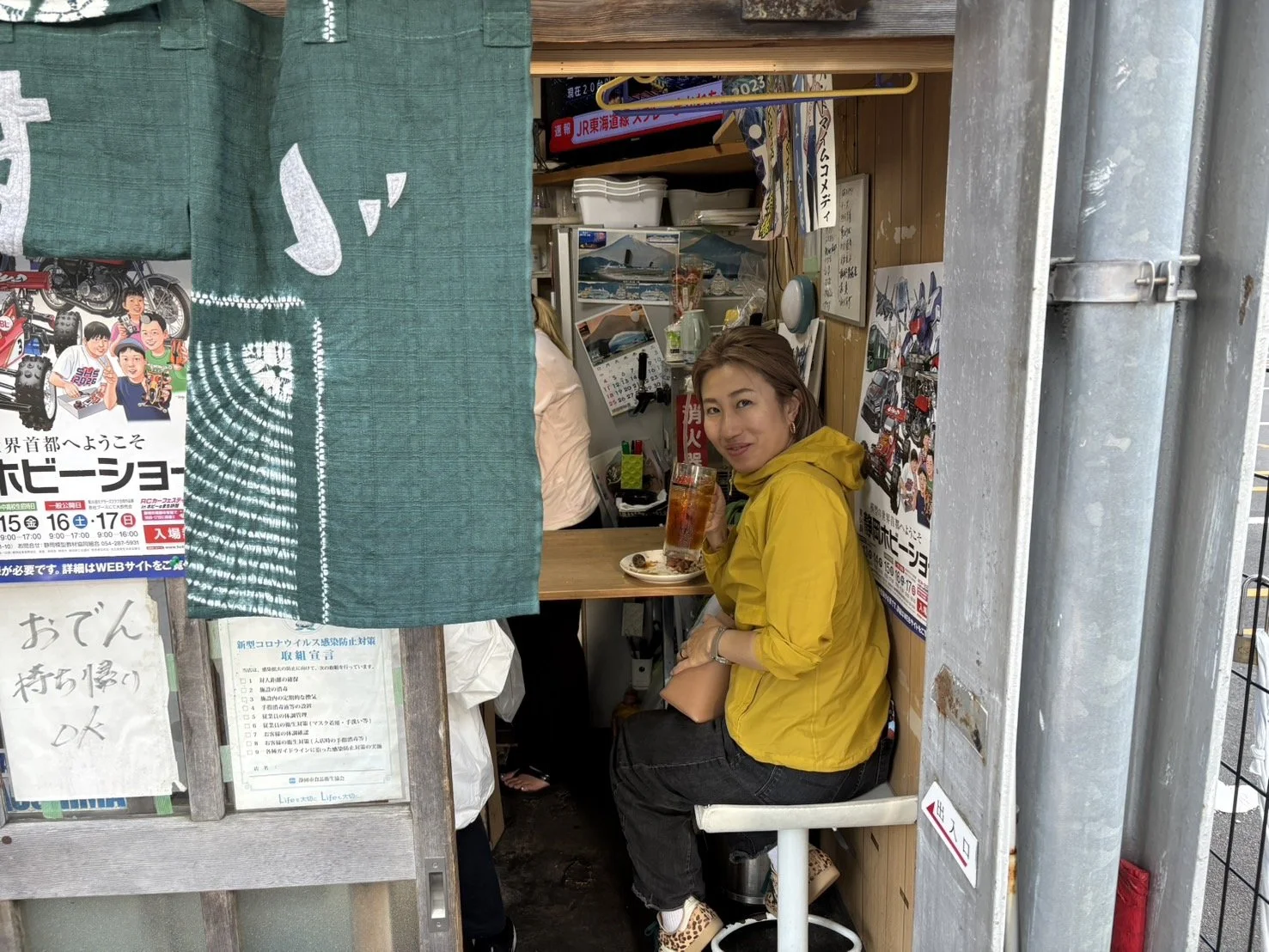
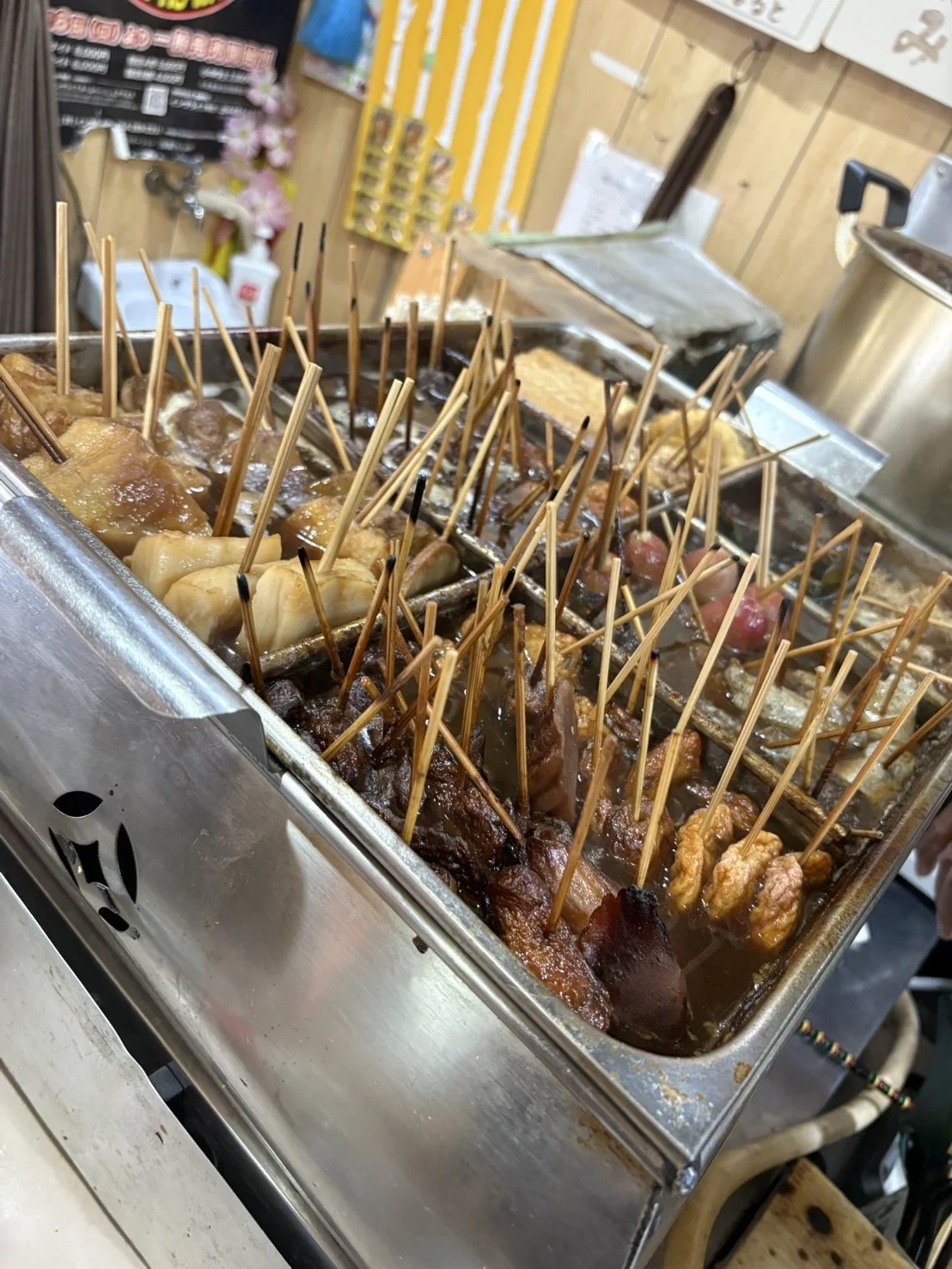
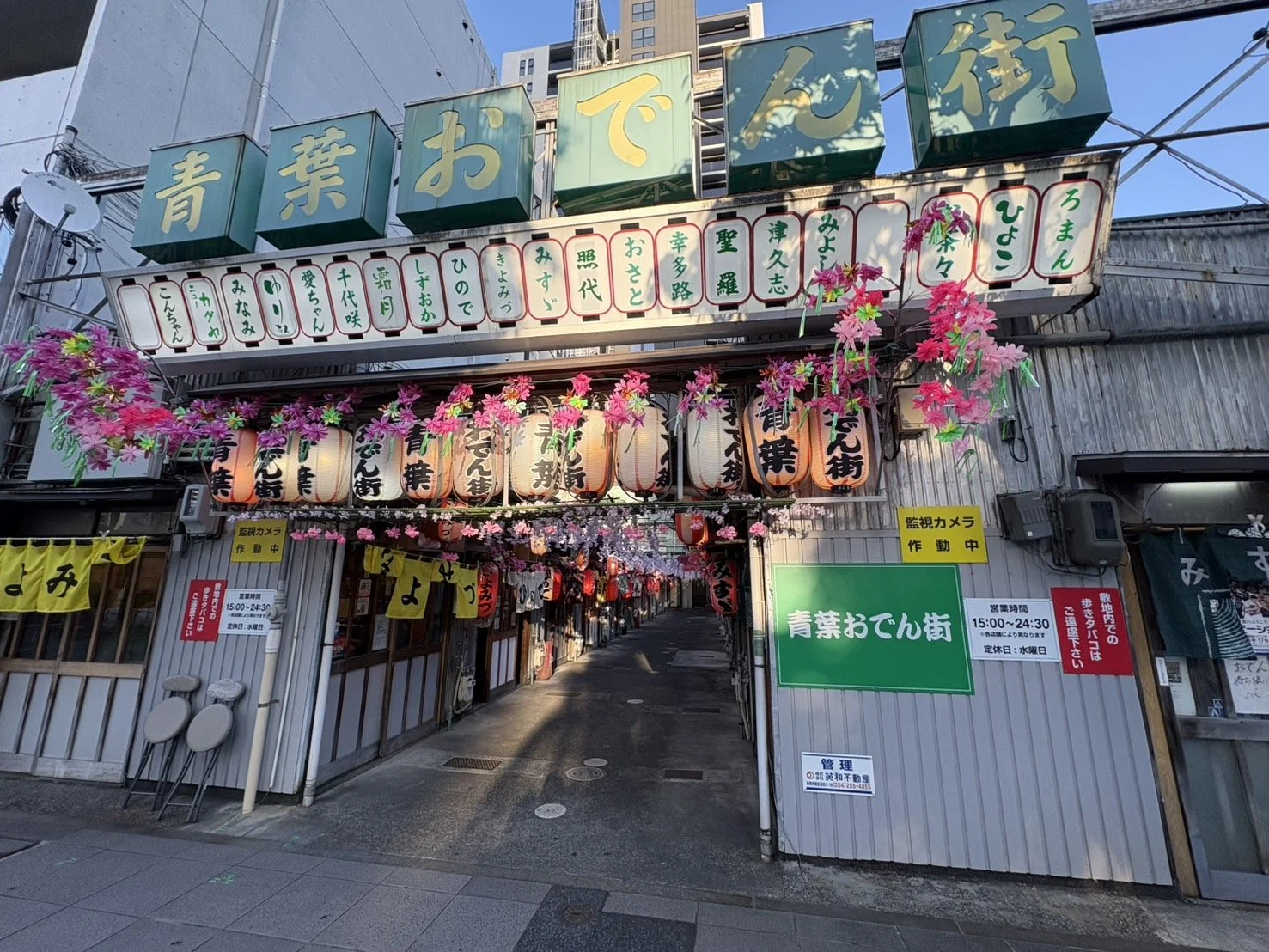
After that we stopped by a tea museum and later ended up at a super local Shizuoka oden place run by a grandmother and her grandson, but that’s probably a story for another post for Instagram😂
Trips like this always remind me that food tastes different once you understand the people and work behind it.