
A Birthday Dinner That Quietly Deepened My Understanding of Japanese Cuisine at Kurosu
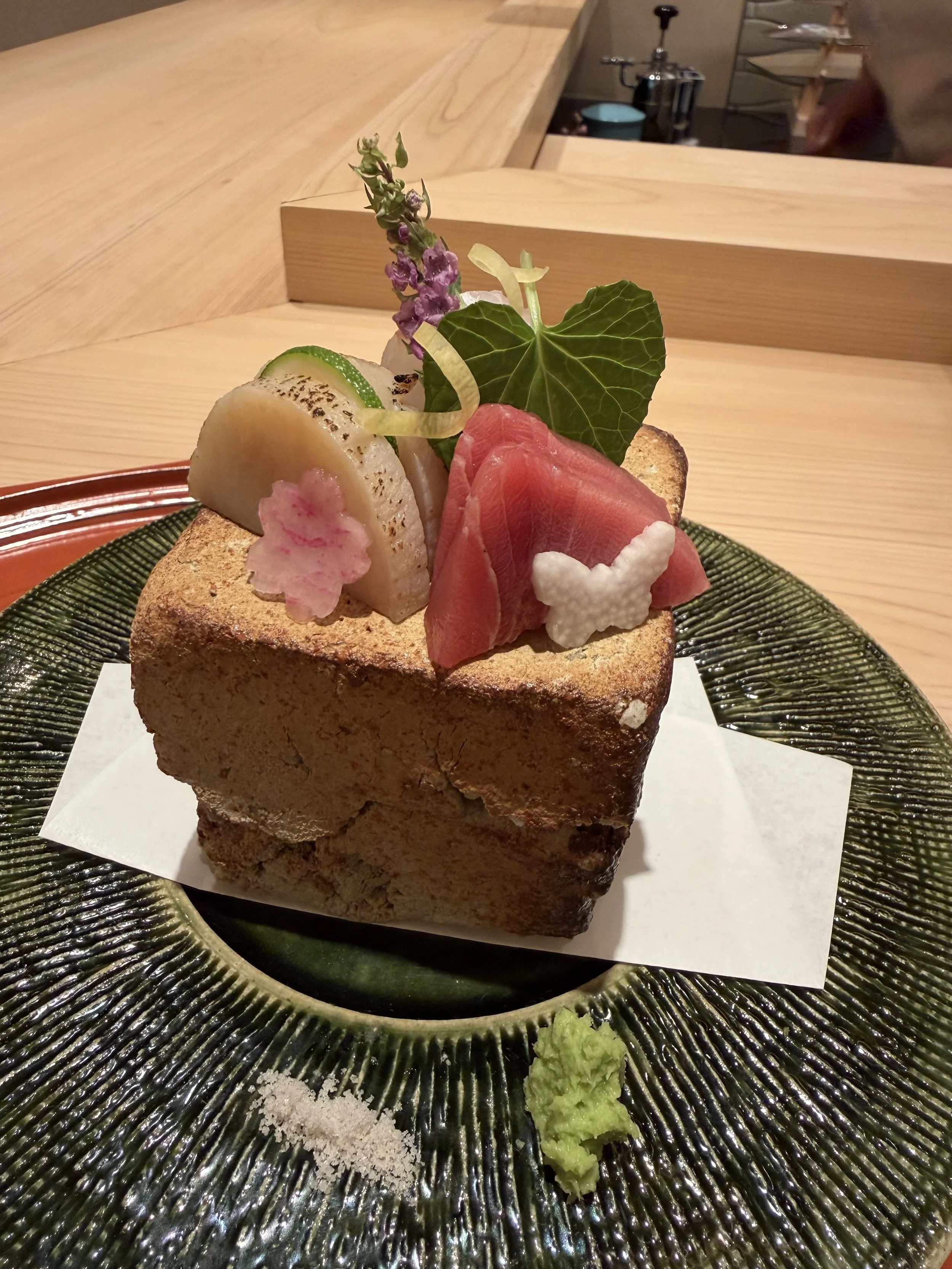
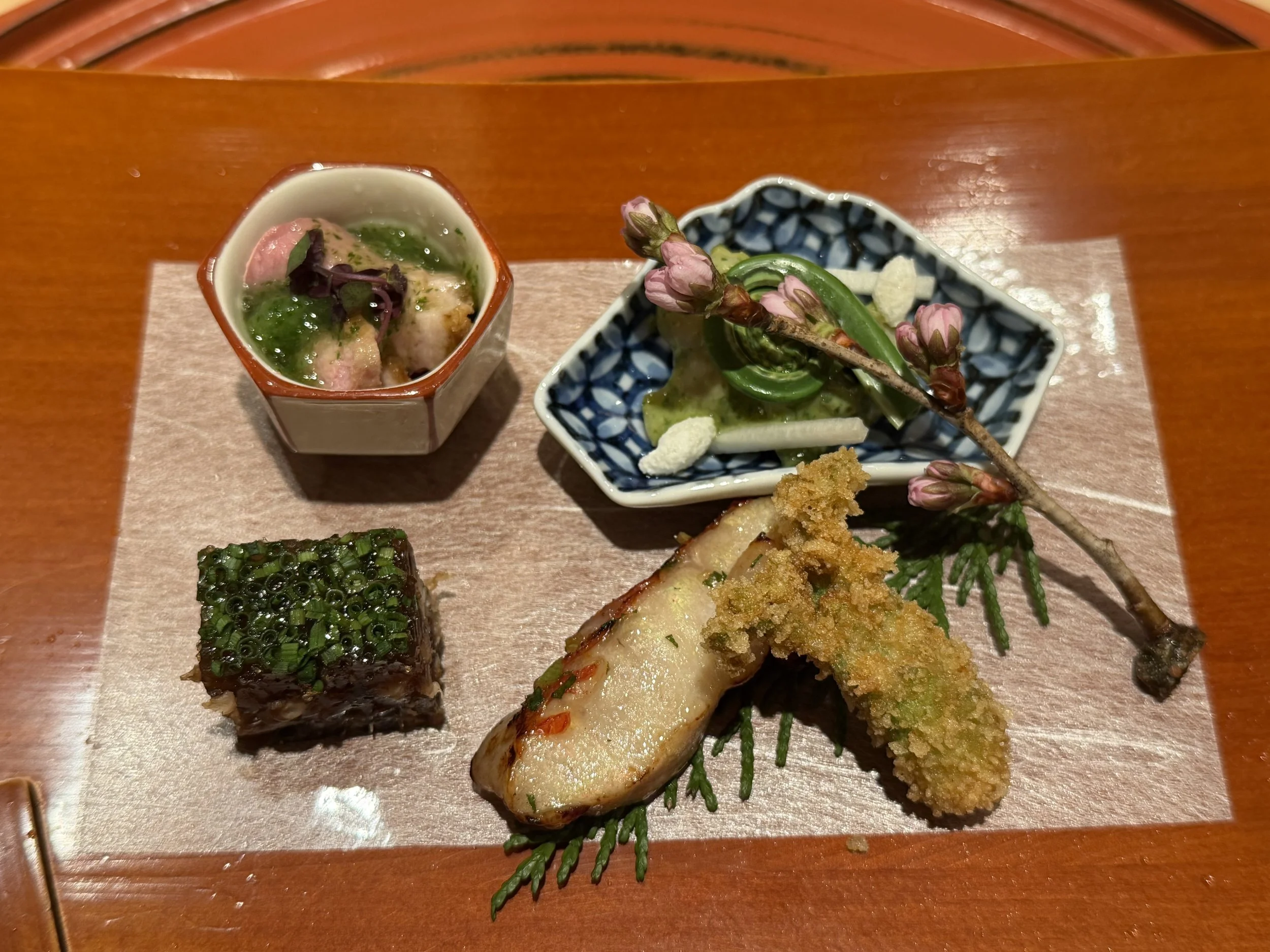
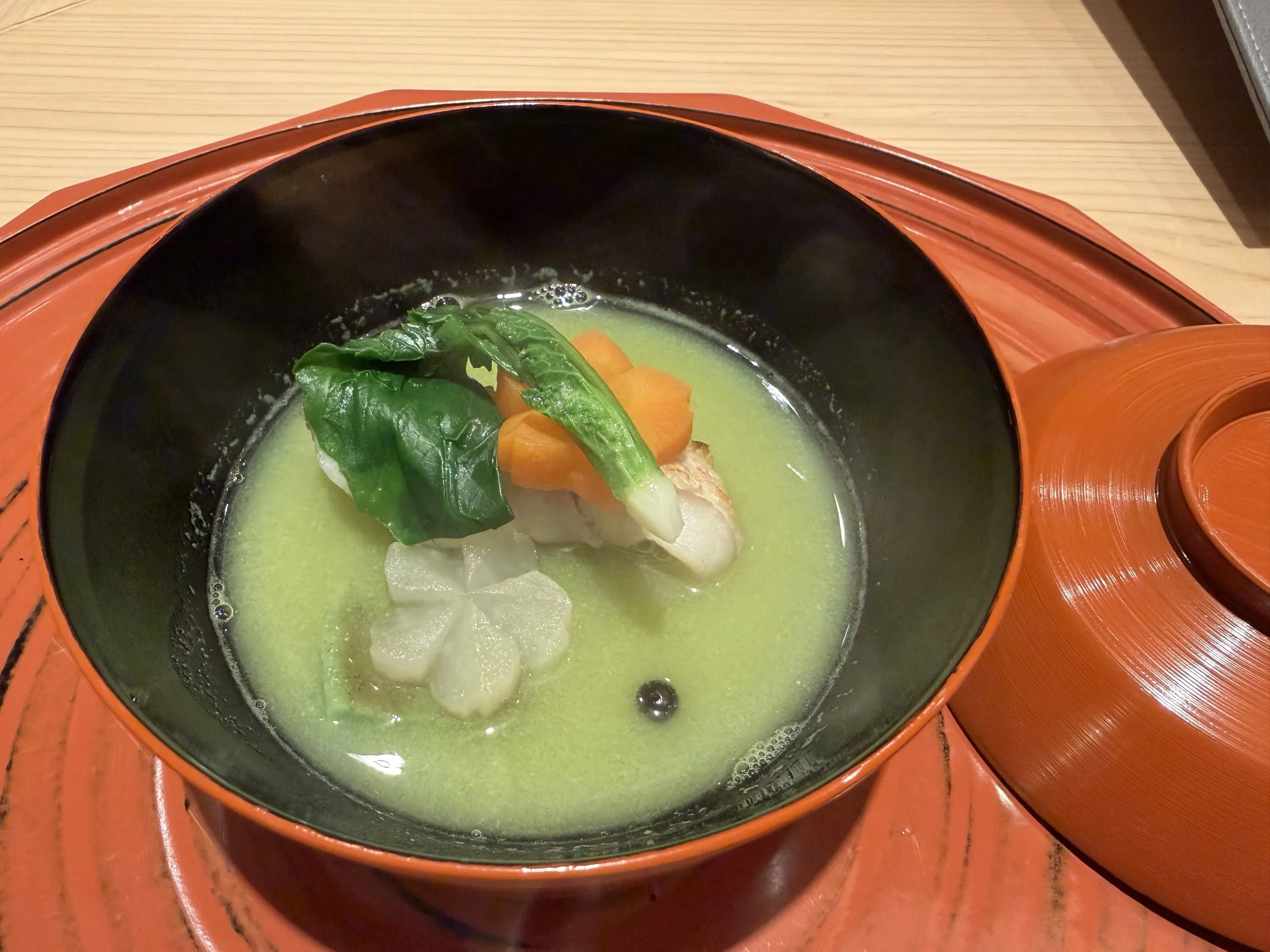
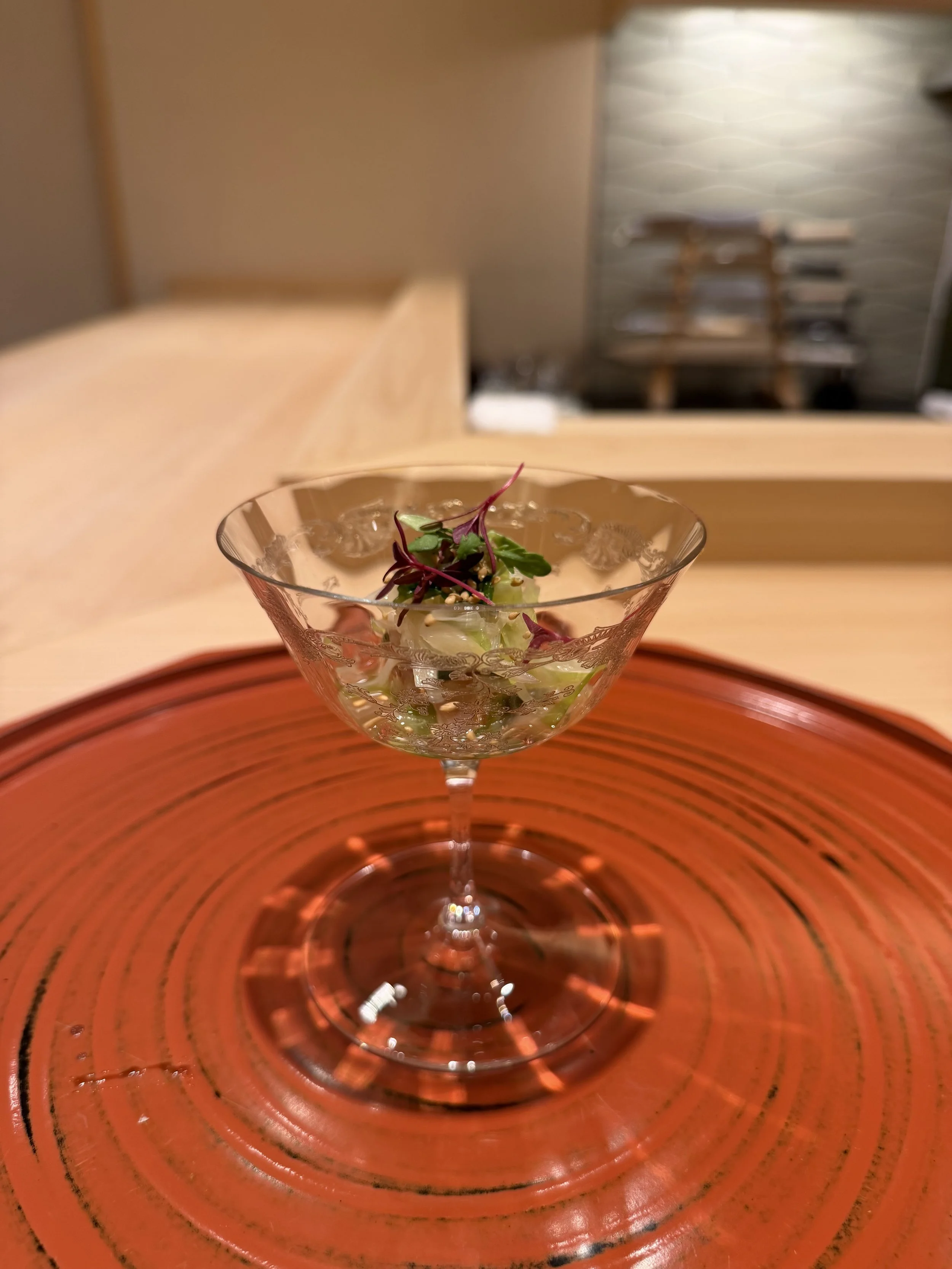
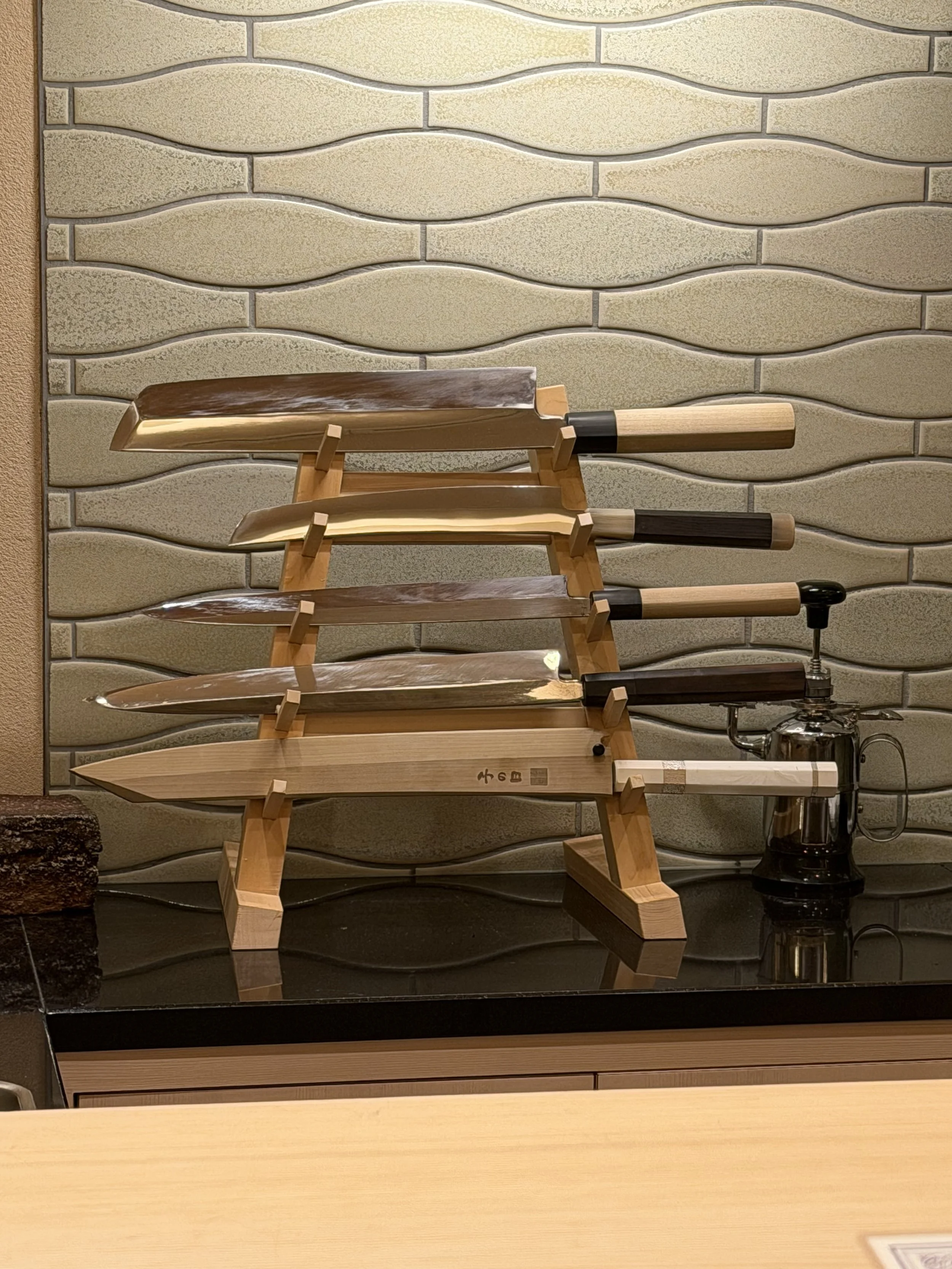
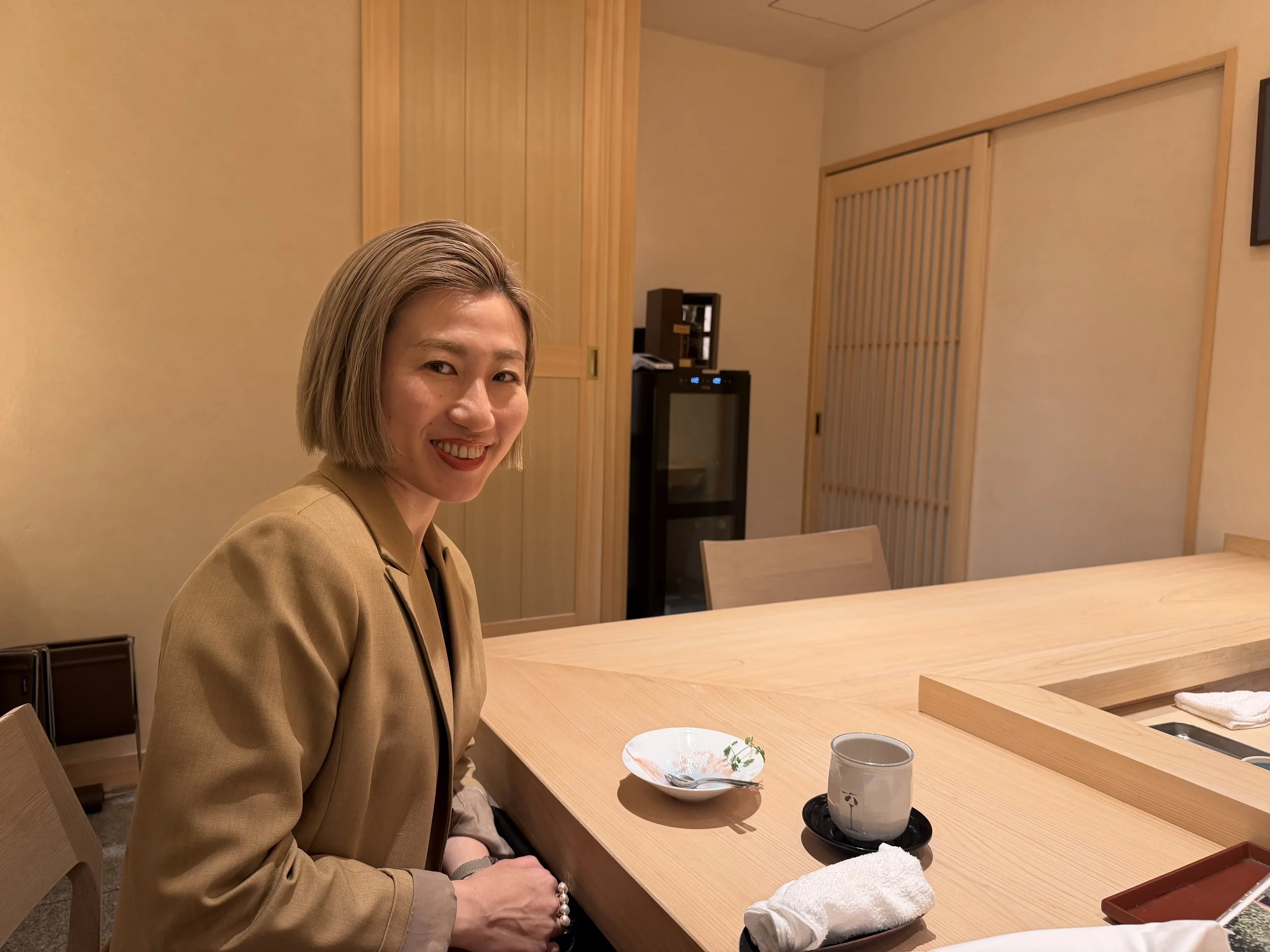
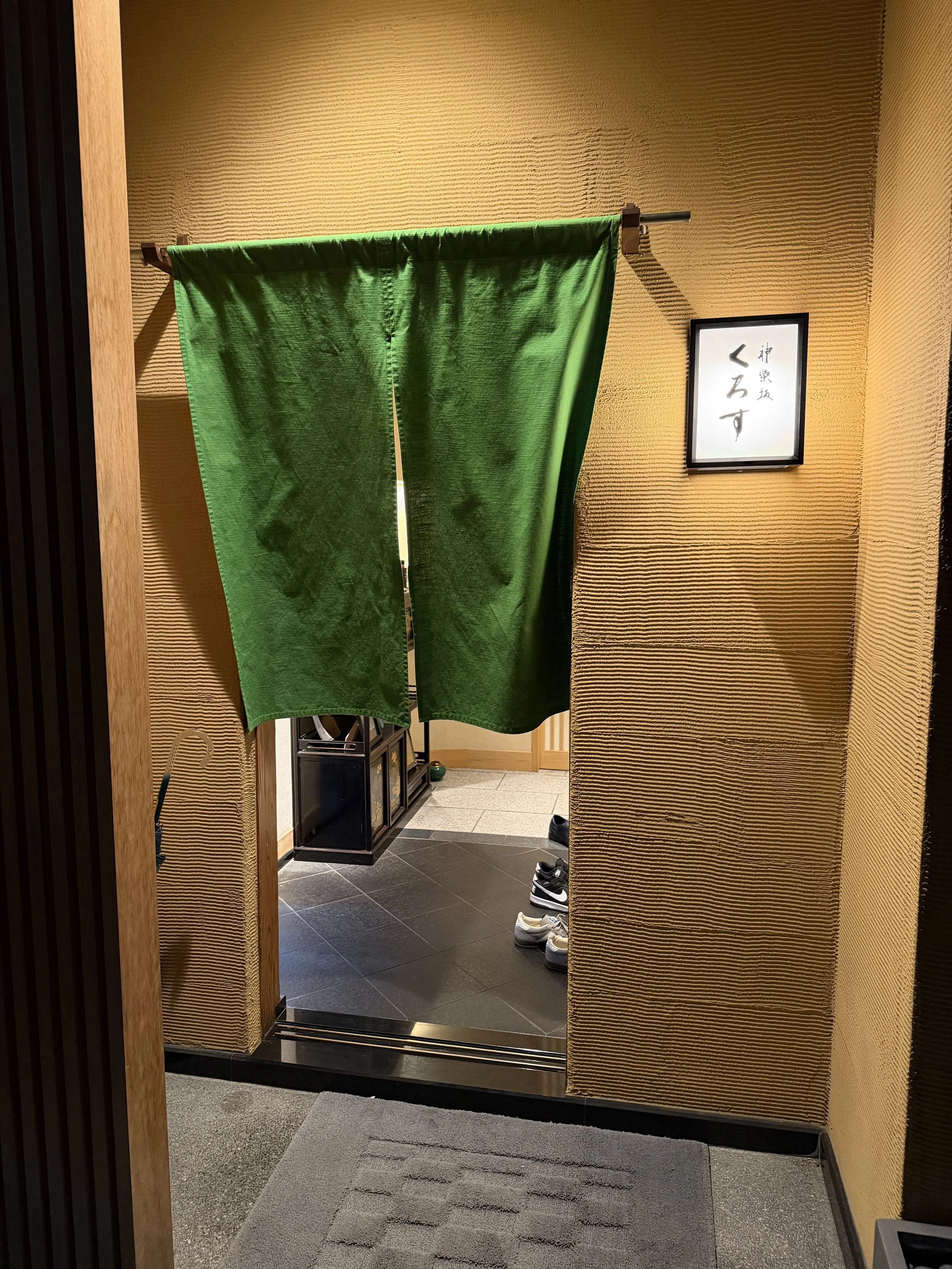
For my birthday this year, my husband took me to Kurosu in Kagurazaka.
I actually got a little emotional.
Partly because it was my birthday, of course. But also because I had genuinely wanted to experience a place like this again, sitting at a serious Japanese counter, watching the rhythm of a seasonal menu, and quietly catching up with where Japanese cuisine is now.
When food is part of your work, dinner occasionally turns into field research. Very delicious field research.
I often introduce Japanese food culture to guests, so I always feel I need to keep learning too, not only recipes, but the thinking behind them.
Every dish was precise, elegant, and somehow calm. Nothing was trying too hard, which, honestly, is usually a very good sign.
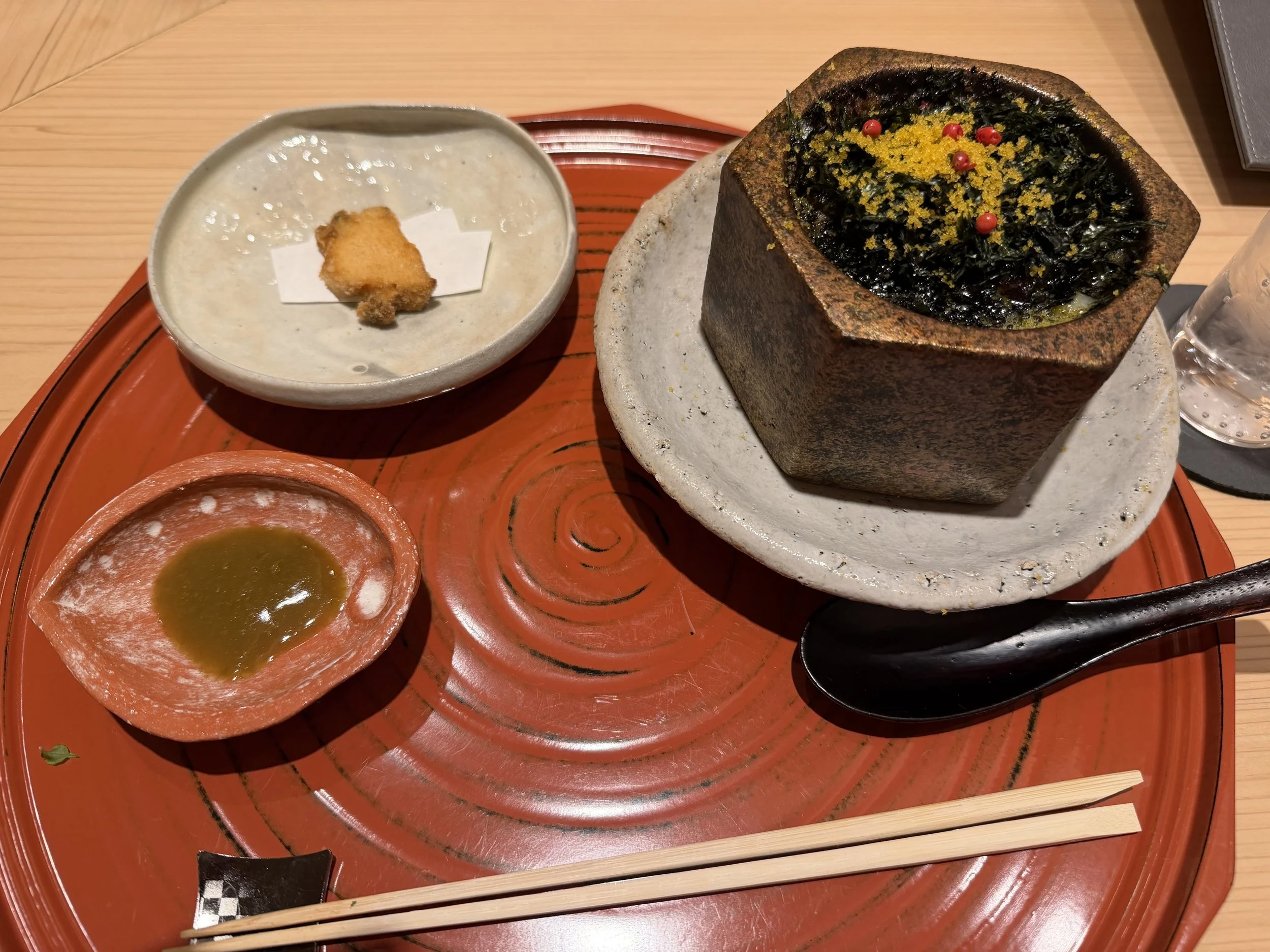
One of my favorite dishes was their signature abalone dish: something almost like a delicate potato gratin topped with seaweed, where Japanese technique met a slight Western touch in a way that felt completely natural.
Then came abalone prepared as bunka-age, served with liver sauce.The chef explained something I loved: instead of calling it simply “fried,” they use the term bunka-age. Because saying “fried” sounds too directly borrowed from Western cooking, Japanese chefs created their own expression. That tiny explanation somehow made the dish even better.
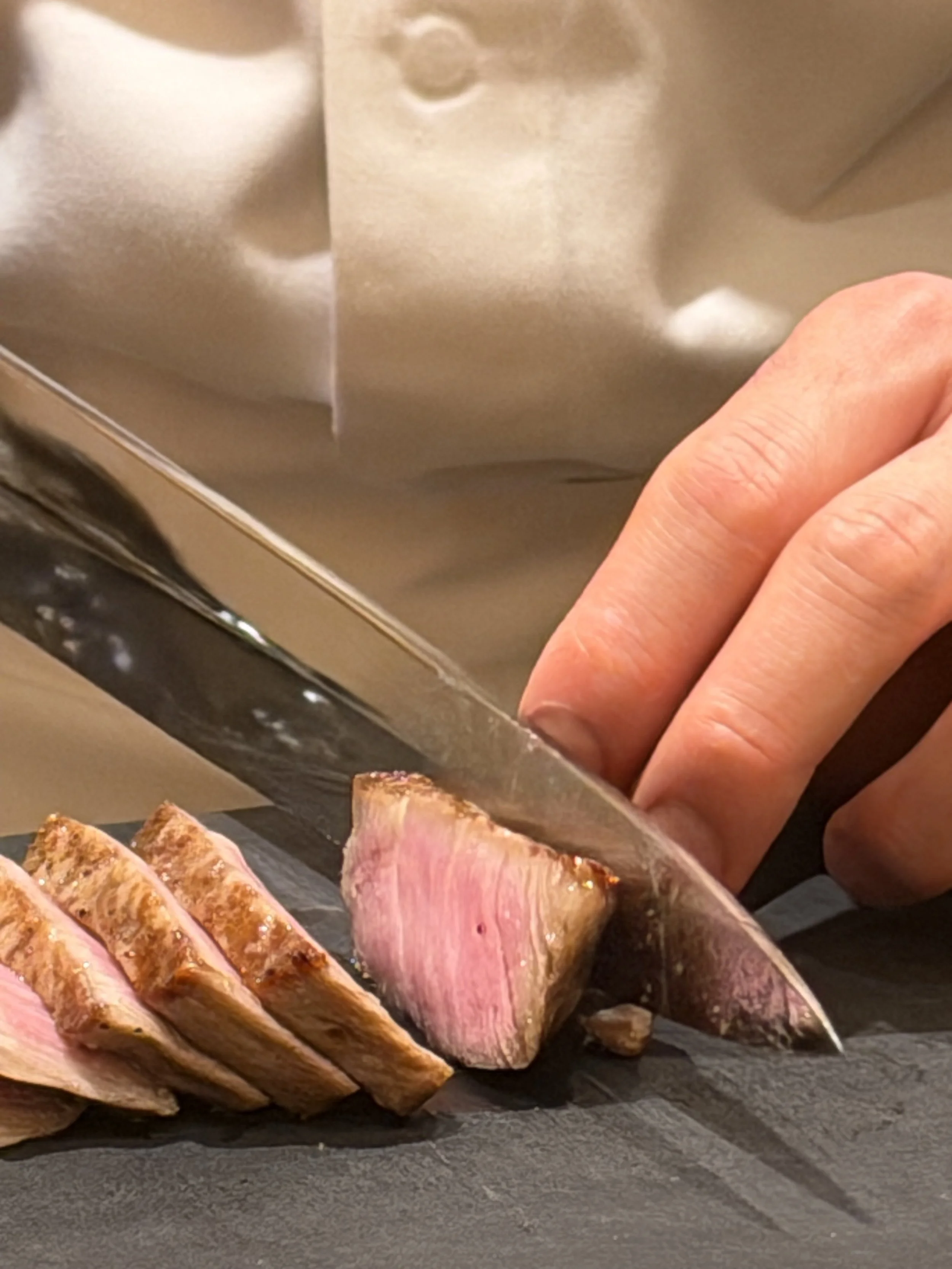
The meat was Tanba beef, which felt especially vivid because I had just visited Tanba the week before. It is always nice when food arrives with recent memories attached.
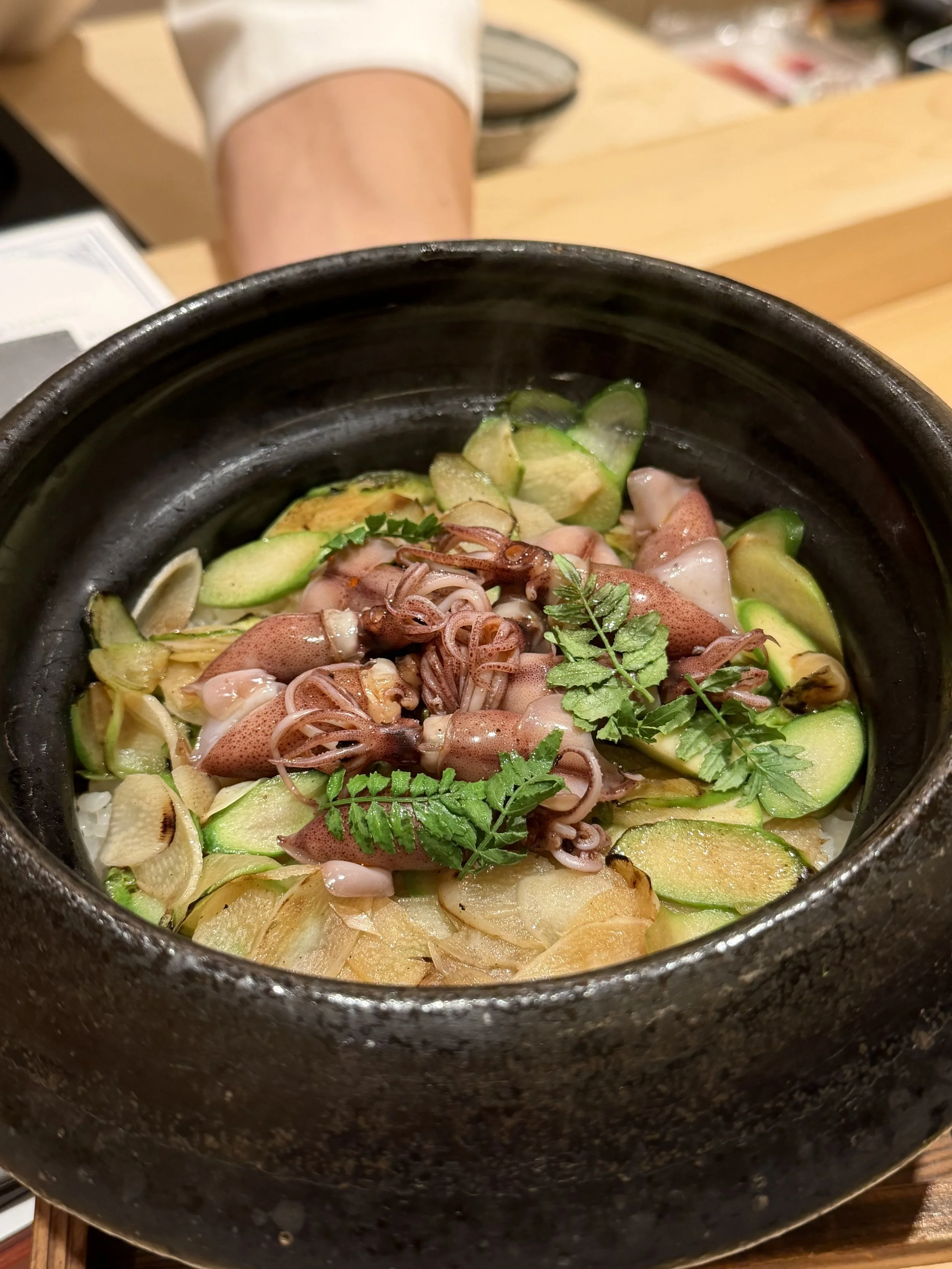
And the menu was full of spring. Firefly squid, asparagus, seasonal details everywhere.
The counter also made a huge difference. There are only a few seats, and that evening there were just four of us, so we could talk directly with the chef throughout the meal. That part was incredibly valuable.
And honestly, it reminded me again why I care so much about explaining food during my tours.
People often judge food only by whether it tastes good or not. Taste matters, obviously. But sometimes what stays with you longer is the invisible layer behind it.
Why this ingredient now.
Why this cut.
Why this word instead of another word. Even one fried dish can quietly contain history, language, and a certain kind of cultural pride. I believe those details make food richer. That is exactly why I believe the story behind food changes the experience of eating it.
So yes, it was a beautiful birthday dinner.
But it also felt like a lesson I was happy to receive. And I suspect my husband chose it partly because he knew I would accept almost any plan if it came with educational value attached. A very efficient strategy, honestly 😄