
Kobe Is Not Just About the Beef
When people think of Kobe, they usually think of Kobe beef.
Fair enough. It’s famous.
But Kobe’s food culture didn’t grow from cows alone.
As one of Japan’s earliest open port cities, Kobe has long welcomed foreign ships, traders, and ideas. That outside influence shaped not just the look of the city, but the way people eat.
So yes, you can eat incredible beef here.
But sometimes the best parts of Kobe are the things that don’t show up on luxury menus.
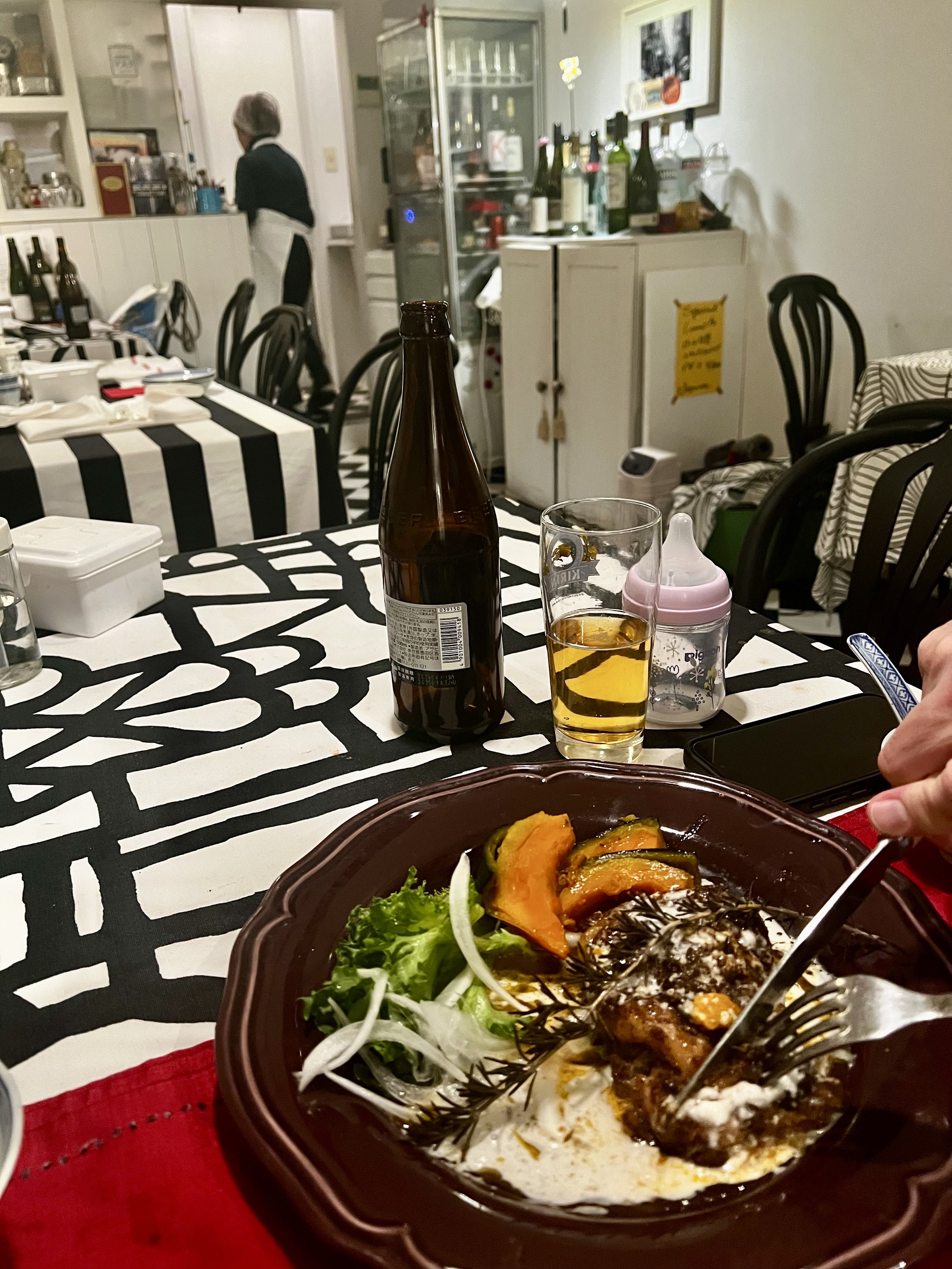
This time, we followed instinct into a tiny Chinese restaurant my husband spotted while he was there for business.
Inside, it was run by one grandmother. That night, we were the only guests.
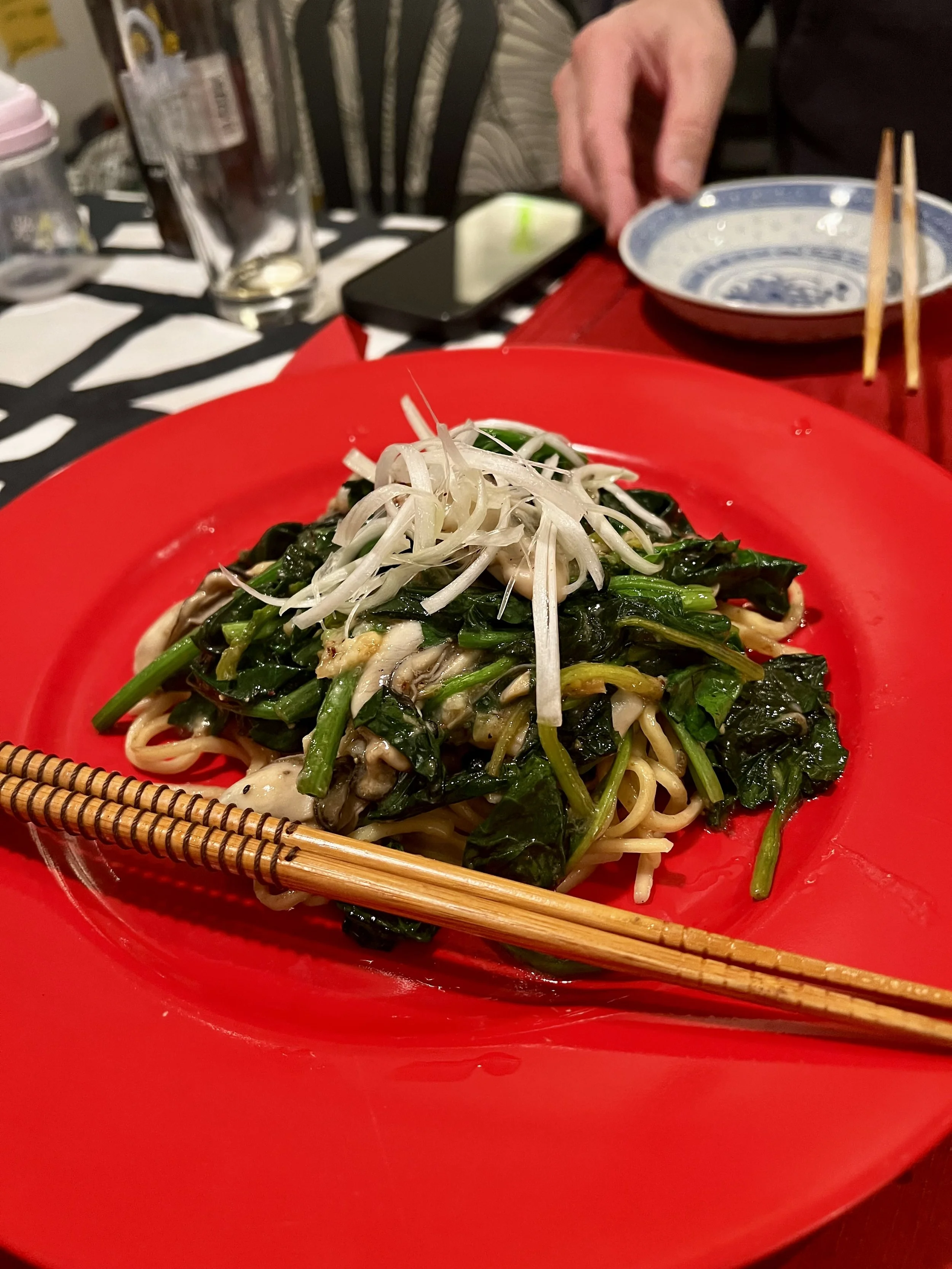
No menu explanation. No clear course structure. We sat down and food began to arrive.
Vintage posters of foreign movie stars filled the walls. Somehow stylish without trying. A little Western, a little nostalgic. It felt like stepping into a Ghibli side street… except the food was Hong Kong inspired Cantonese.
Everything was handmade and delicious.
At some point, we realized she thought we were four people.
We were two.
The dishes kept coming anyway.
We tried our best.
We left extremely full and slightly defeated.
The price was surprisingly kind.
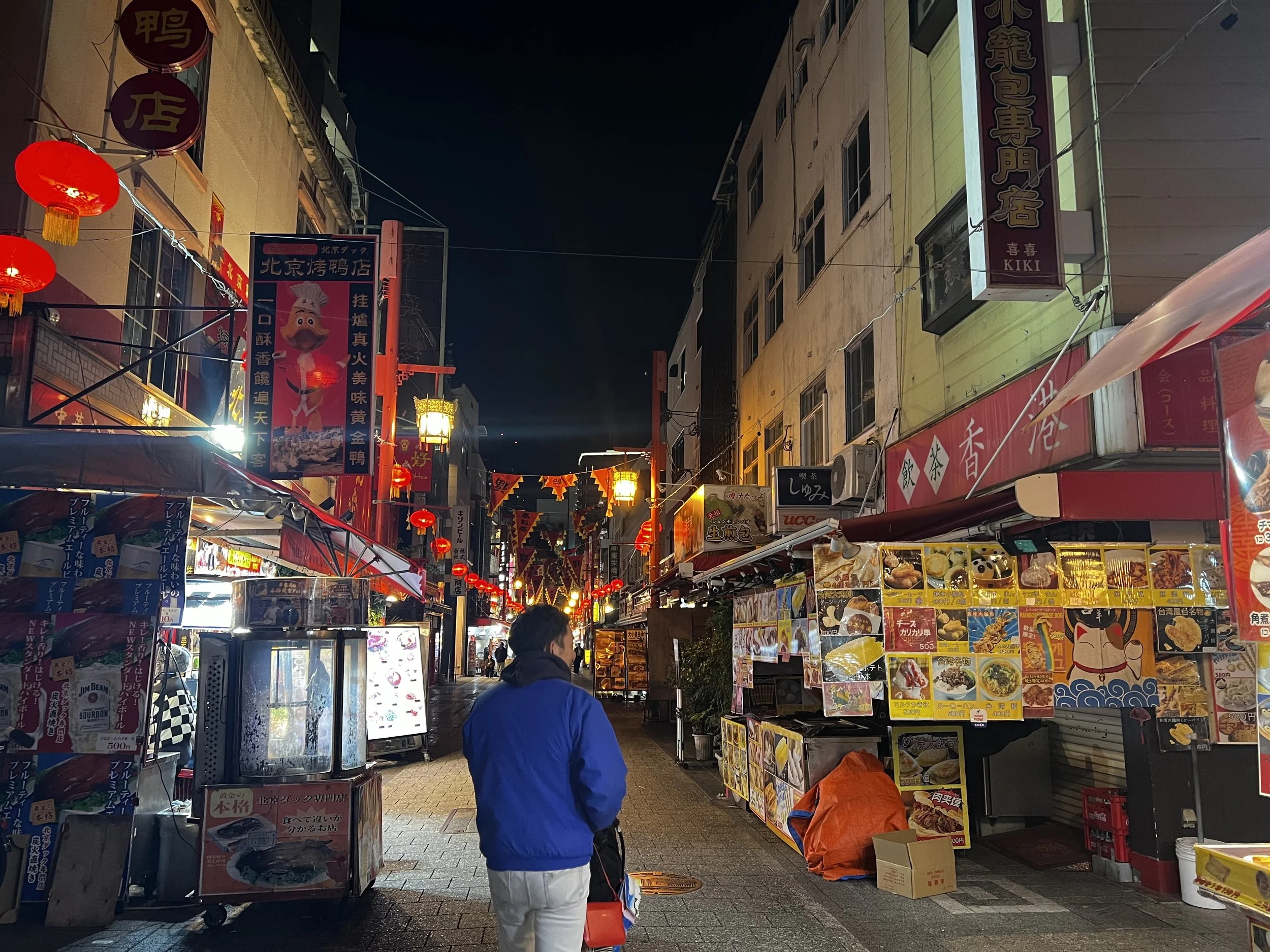
And of course, Kobe has its own Chinatown too, another reminder of how deeply the city has been shaped by cultural exchange over time.
But Kobe also holds a very personal ritual for me.
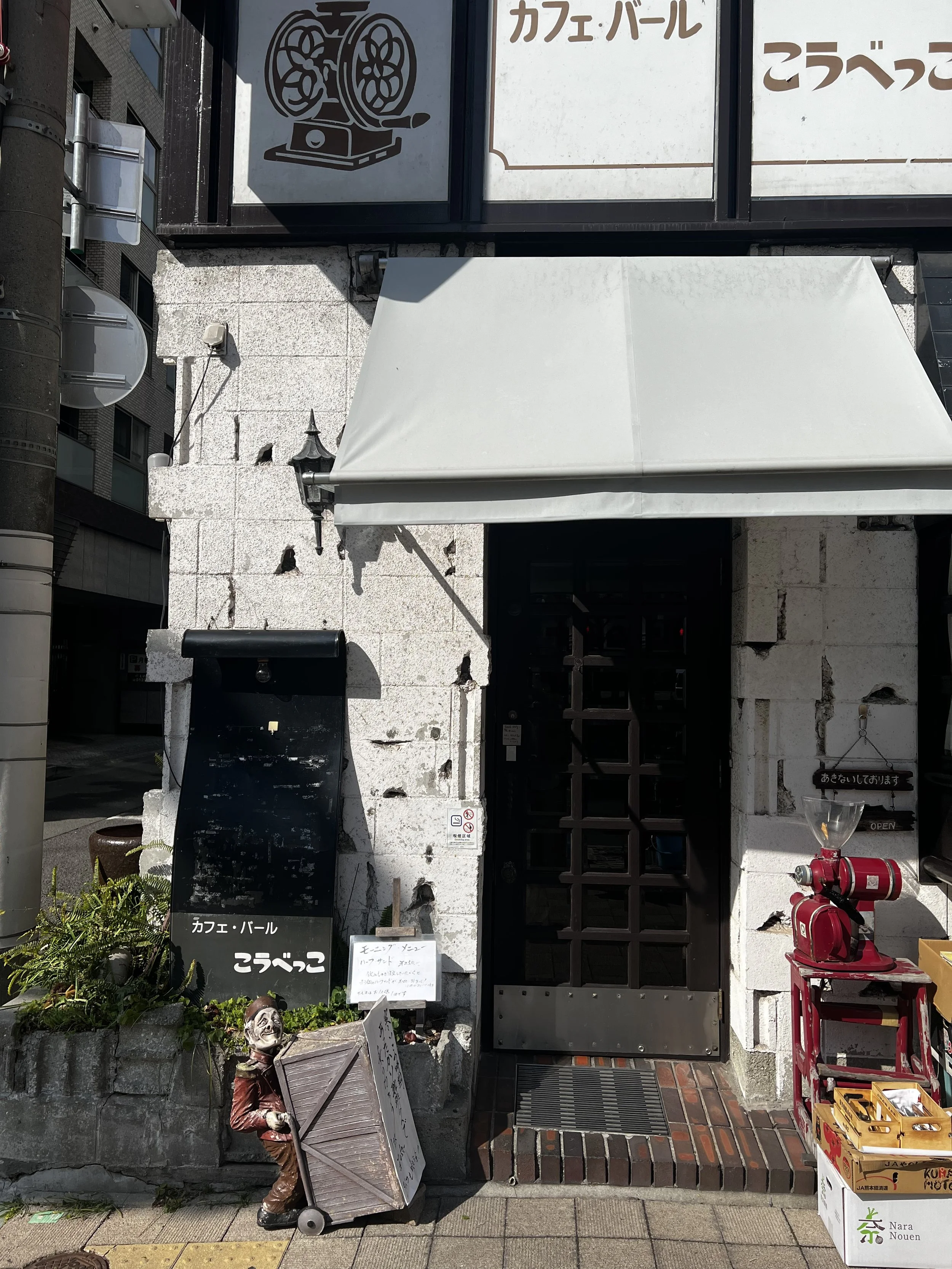
Every visit includes a stop at the same café.
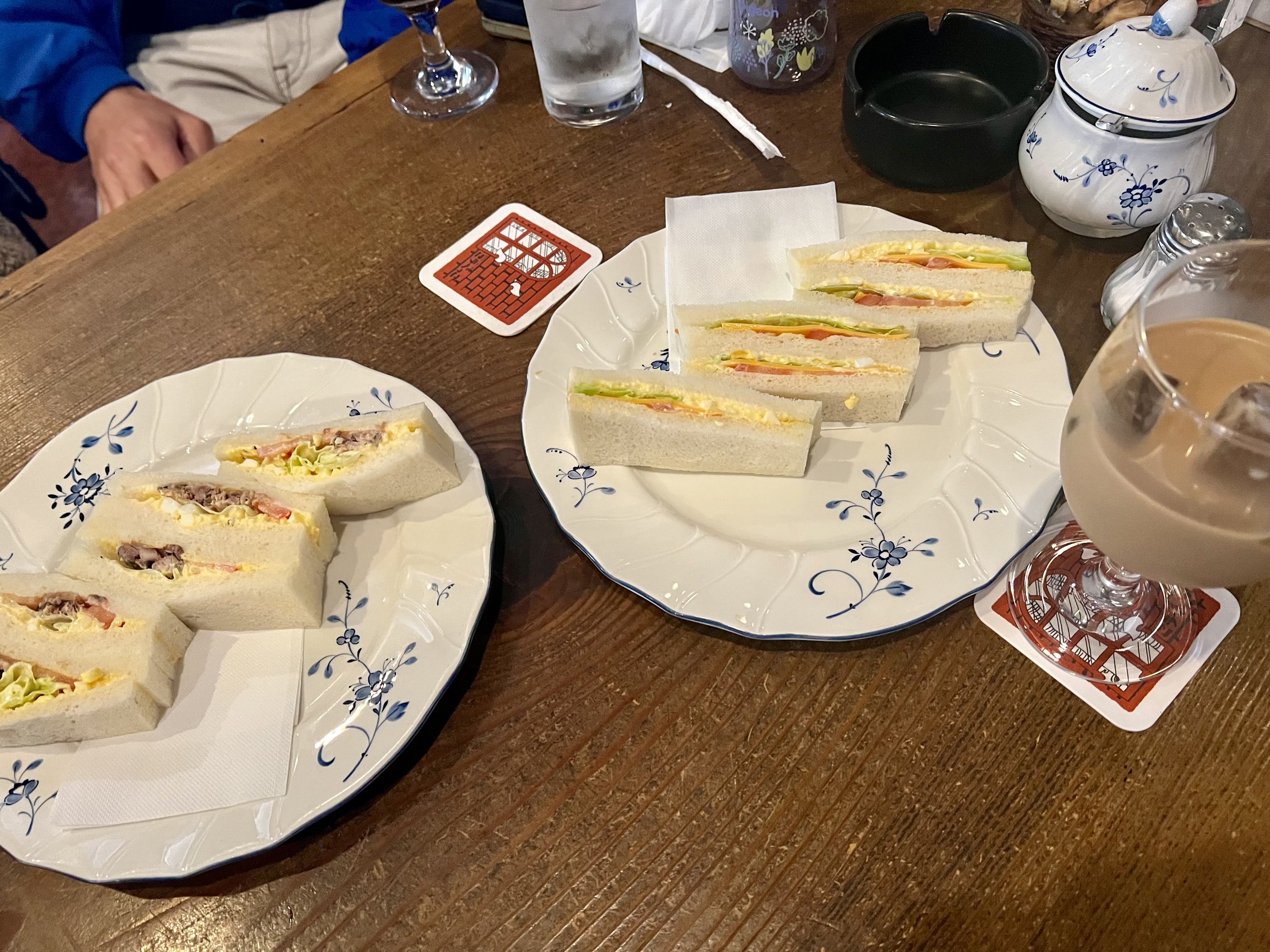
Smoking is still allowed there. The kind of place where taking photos feels slightly wrong. Locals sit quietly with coffee, cigarettes, and newspapers.
The sandwiches are made by a man who must be close to ninety.
Inside the bread, there’s just one perfectly placed leaf of lettuce.
Clean. Simple. Intentional.
No excess.
Whenever I come to Kobe, I want to eat there.
And this time was no exception.
The café is called Kobekko.
This visit also included something different.
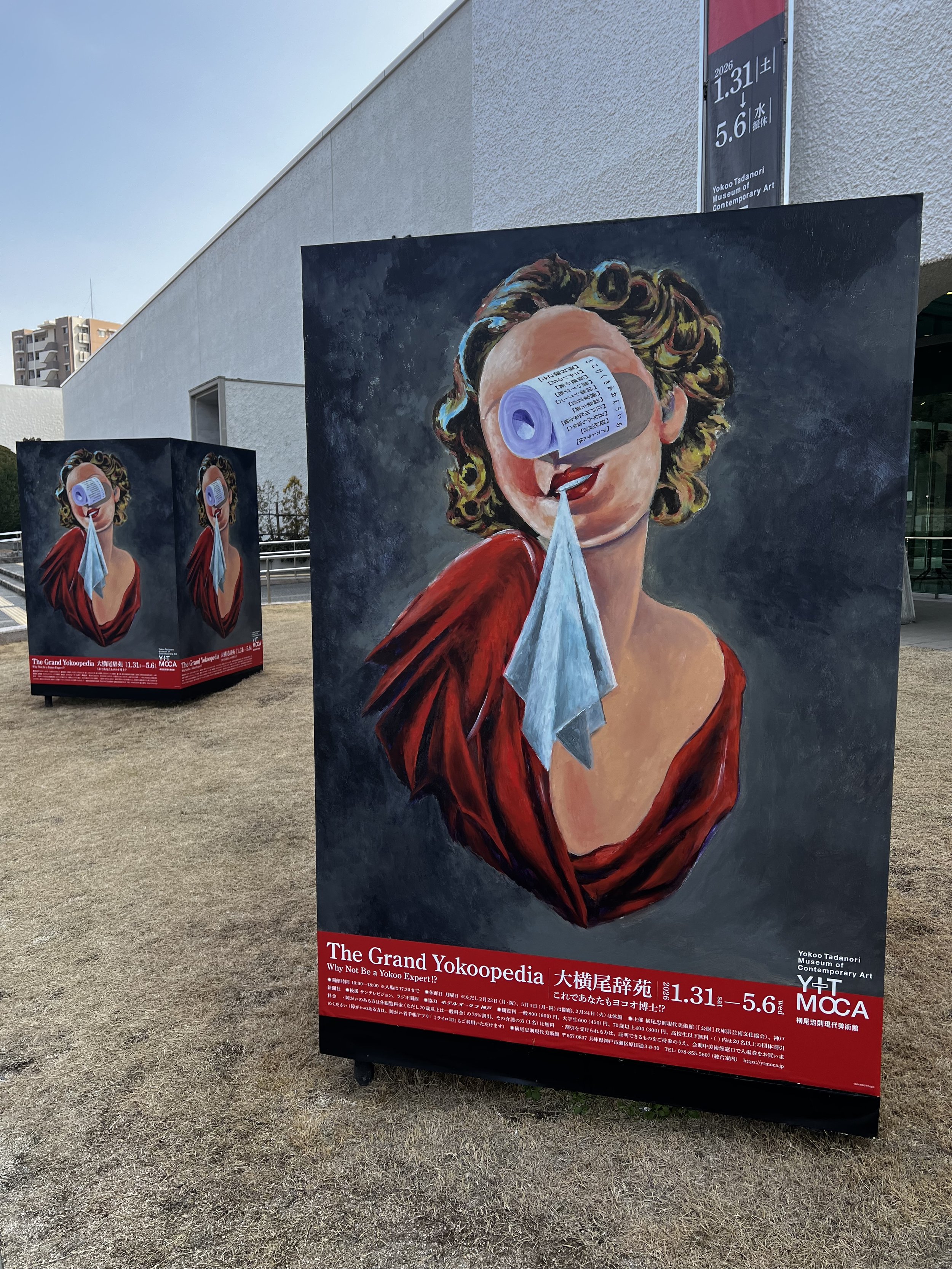
I stopped by the museum dedicated to Tadanori Yokoo, one of Japan’s most avant garde designers and artists.
His work can be sharp, strange, even unsettling at times. Bold colors, surreal imagery, ideas that don’t sit comfortably in a neat box.
Visiting with a baby in tow made the experience even more striking.
Being away from Tokyo meant the museum was quiet. Spacious. Unhurried.
It allowed us to take in not just his art, but his life story. A life that felt lived with full commitment to curiosity and play rather than safety.
That spirit was contagious.
Kobe isn’t just about luxury beef.
It’s about layered culture, small rituals, unexpected art, and food that tells stories.