
What Makes Rausu Kombu So Special? Lessons from a Kombu Fisherman in Hokkaido

Kombu / kelp is one of the most important ingredients in Japanese cuisine, yet not many visitors to Japan have never heard of it before.
When people think of Japanese food, they often imagine sushi, ramen, or tempura. But behind almost every traditional Japanese dish is one essential ingredient: kombu.
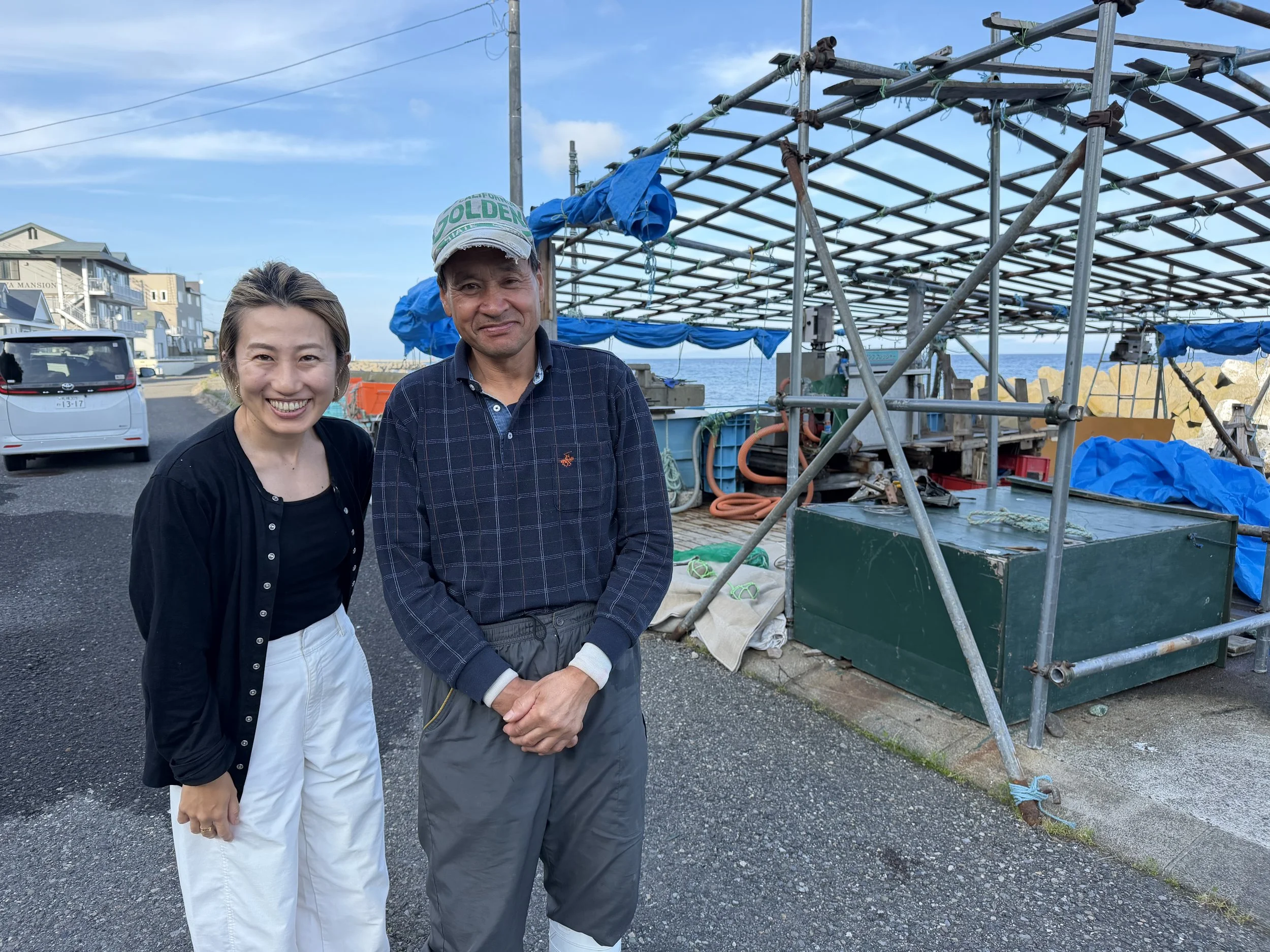
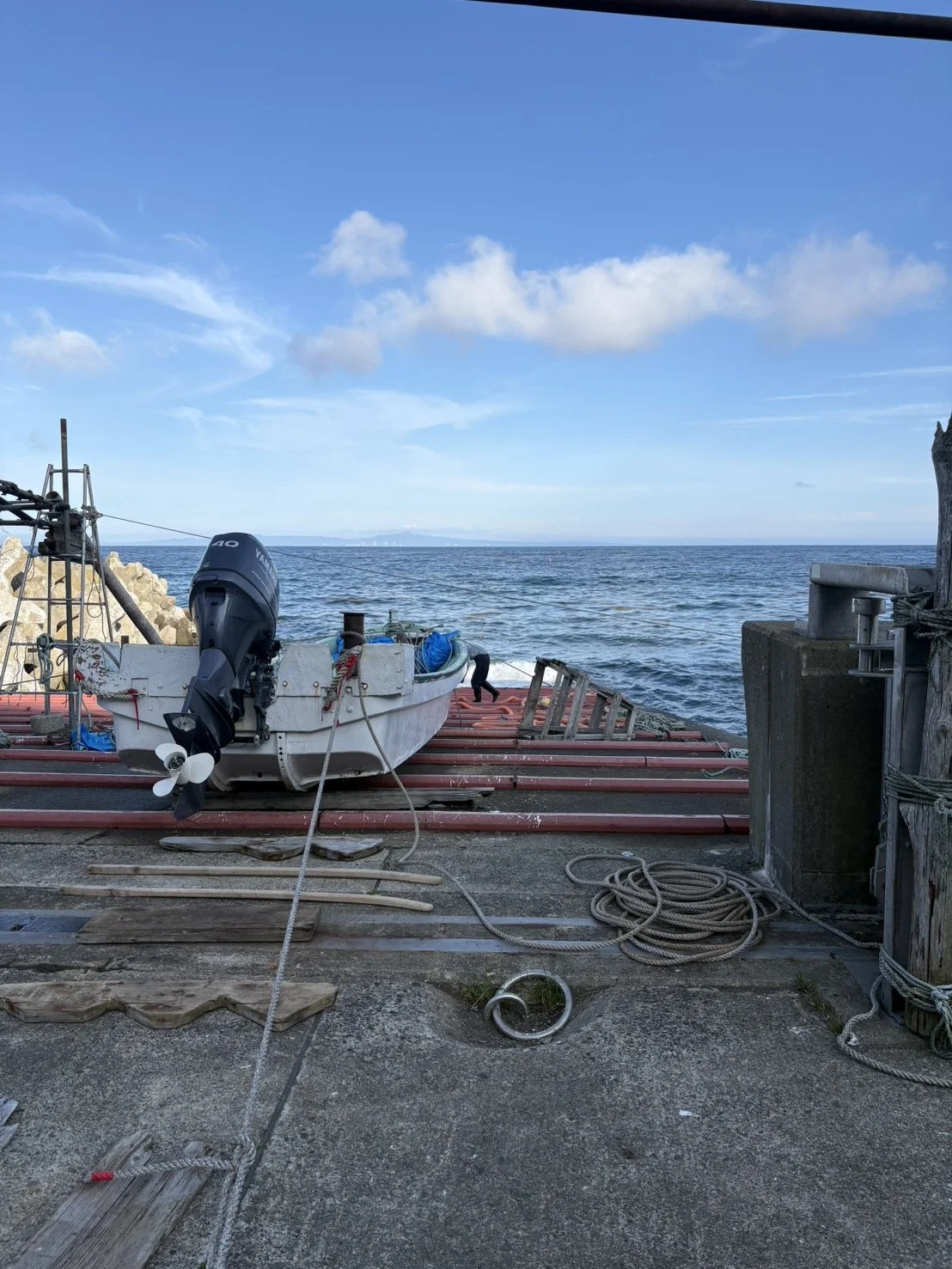
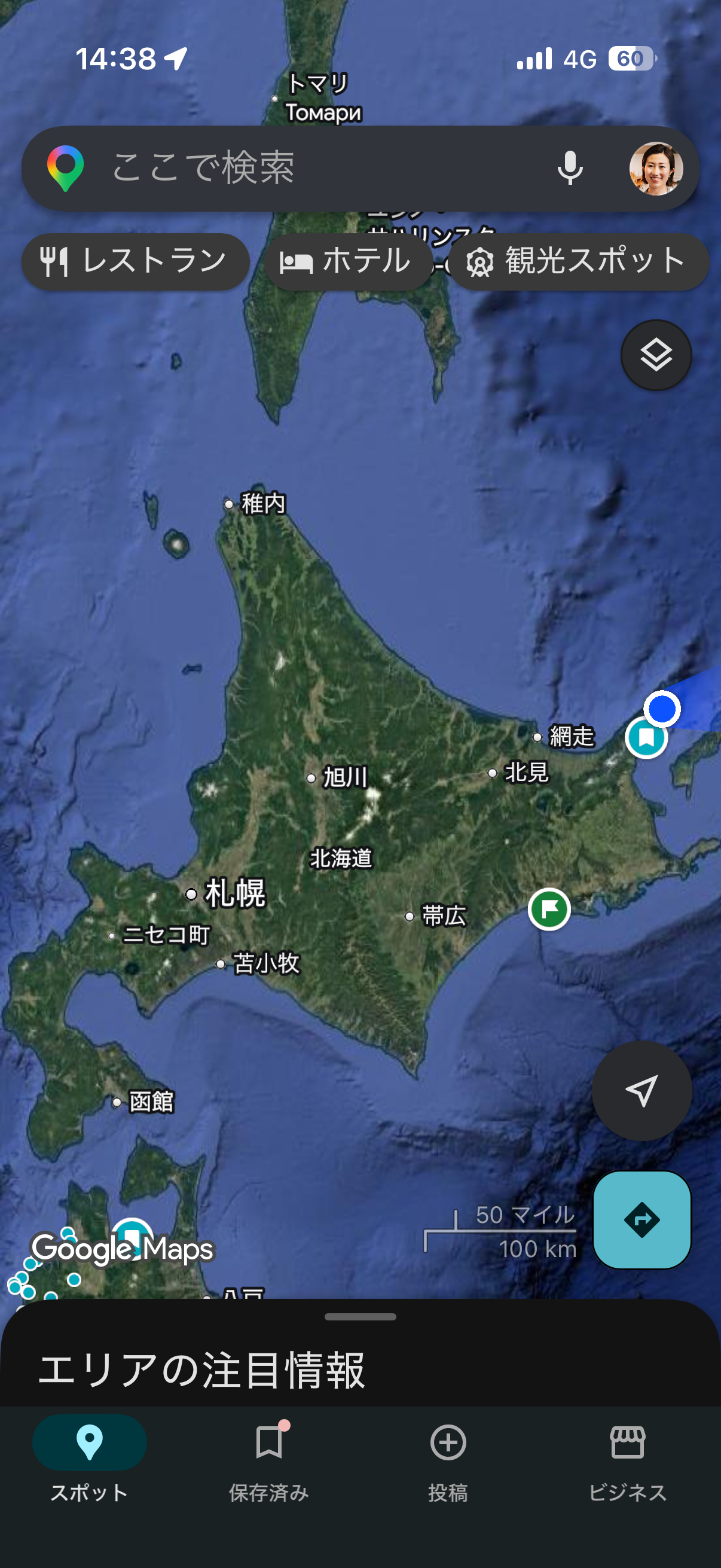
During my recent 1,200 km road trip around Hokkaido, I visited Rausu, one of Japan’s most famous kombu-producing regions. Instead of simply buying kombu, I wanted to learn directly from the people who actually harvest.
I spent time with a local kombu fisherman who has worked these waters for over 50 years. Listening to his stories completely changed the way I think about this humble seaweed.
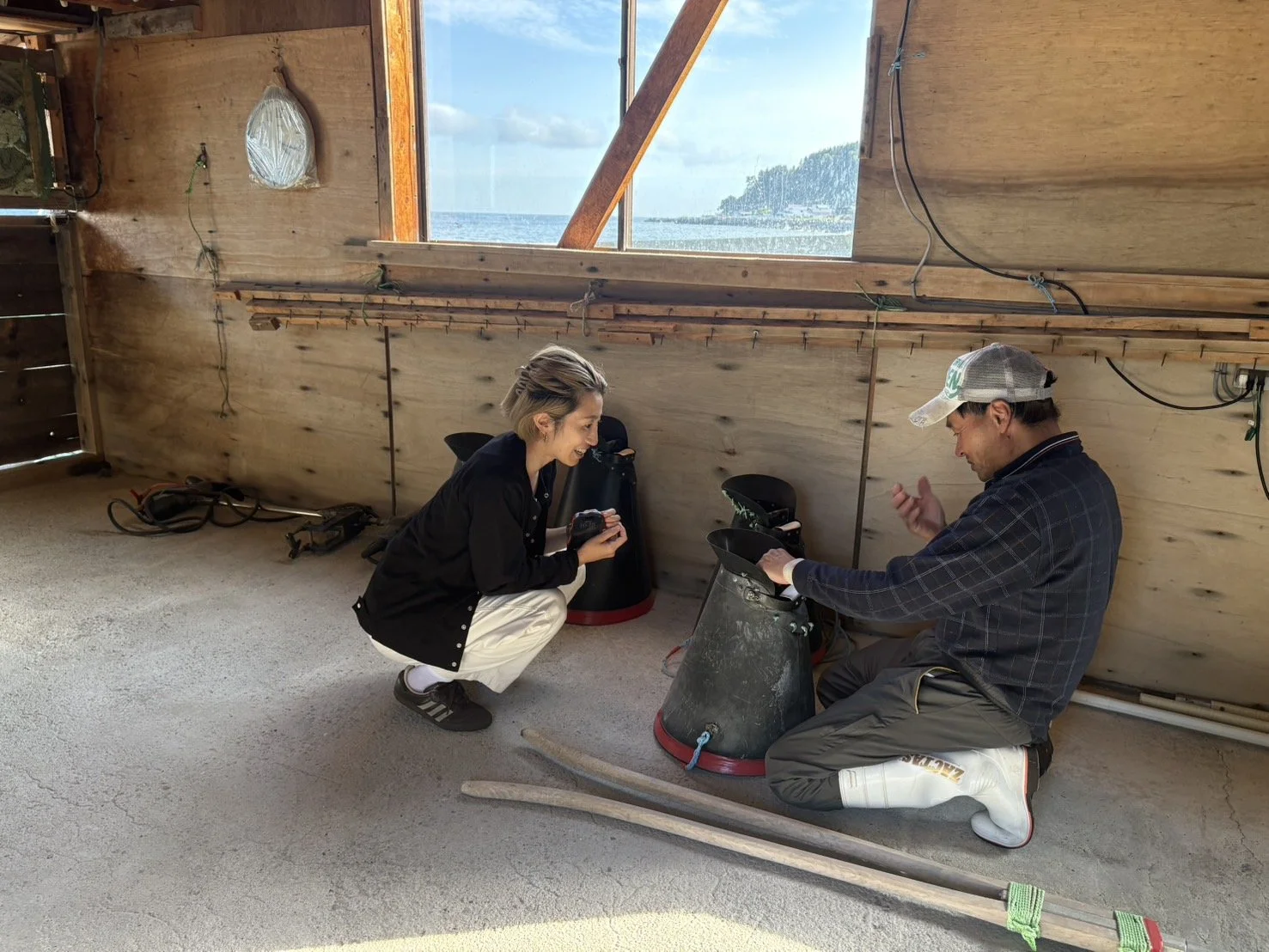
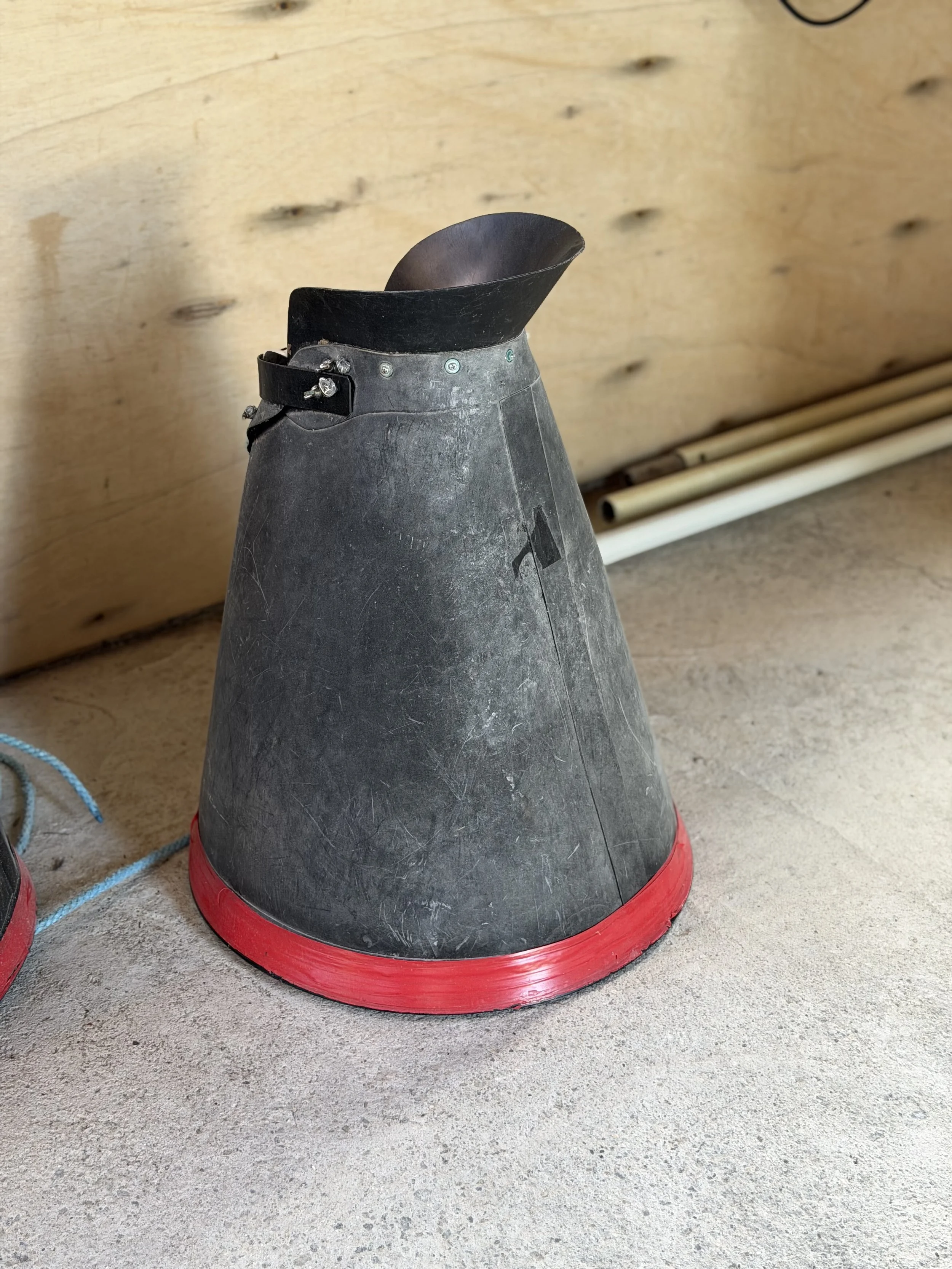
The fishermen Mr. Ogura wear a unique underwater viewing box that lets them look through the surface of the sea to find the kombu below. What surprised me most was learning that they support the weight of this viewing box with their teeth. After decades of doing this every summer, many fishermen develop serious dental problems. It’s one of those hidden realities that you would never imagine just by looking at a piece of dried kombu.
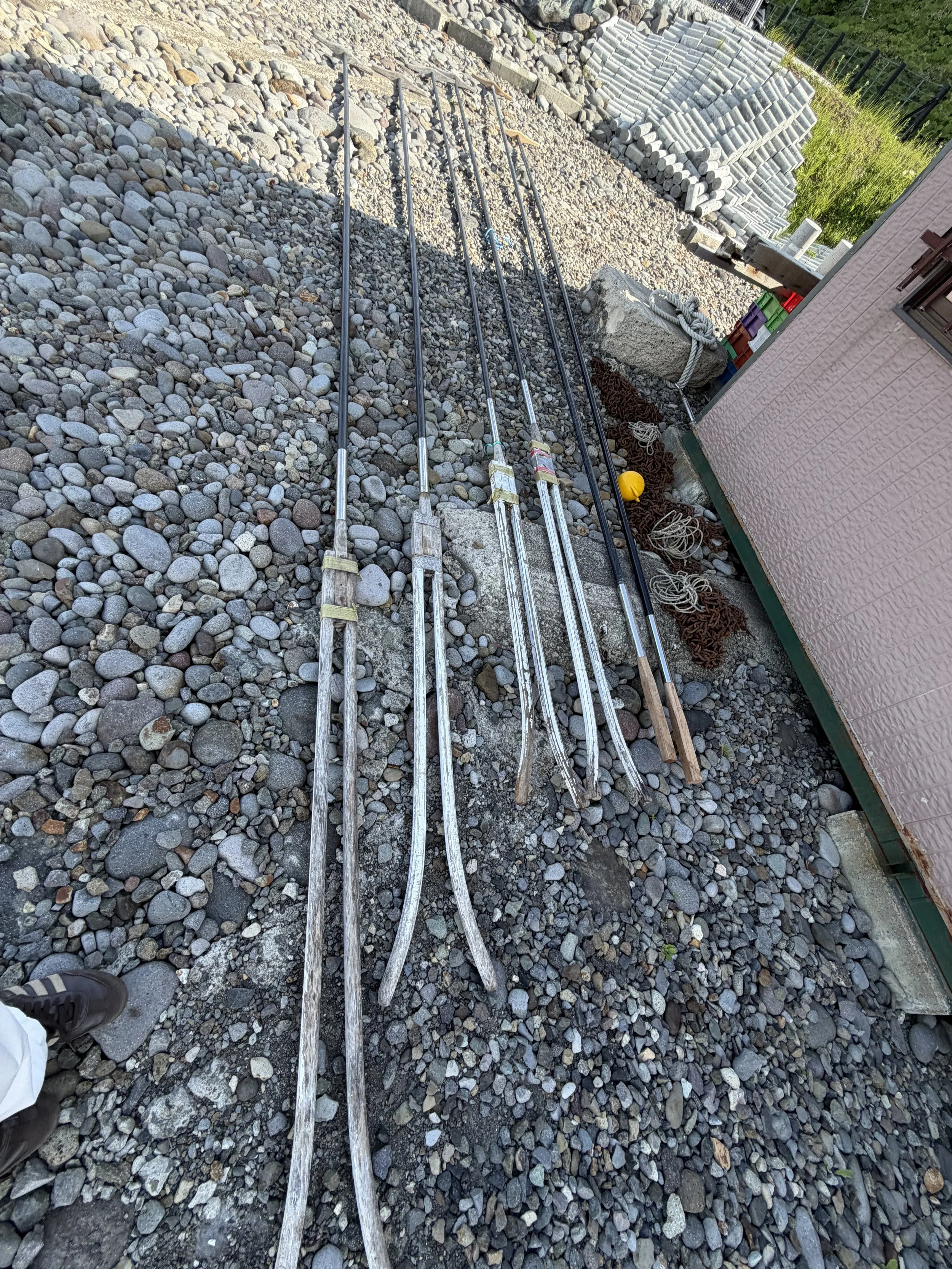
Once they spot the right kombu, they don’t simply pull it out by hand. Using a long harvesting pole, they carefully wrap just two or three strands around the tip, almost like twirling spaghetti around a fork, before gently lifting them from the seabed. Learning this technique made me realize how much skill and precision are involved.
Before visiting Rausu, I had imagined that harvesting kombu simply meant pulling seaweed from the ocean and drying it. In reality, there are more than twenty different steps before it becomes the kombu we use in Japanese cooking.
Each piece is carefully harvested, washed with seawater, dried under the sun, sorted by hand, and prepared with remarkable attention to quality. Every stage requires years of experience.
He also shared how dramatically the ocean has changed during his lifetime, reminding me that kombu is not only part of Japanese cuisine but also part of a fragile natural ecosystem.
After spending time in Rausu, I realized that kombu is much more than an ingredient.
It represents craftsmanship, patience, tradition, and generations of knowledge passed from one family to the next.
This is exactly why I travel across Japan.
Rather than learning only from cookbooks, I visit fishermen, farmers, artisans, and local producers to understand the stories behind Japanese ingredients. Every journey helps me see Japanese food through the eyes of the people who dedicate their lives to it.
When I return to Tokyo, I bring these stories into my cooking classes.
Because learning Japanese cuisine isn’t only about following a recipe.
It’s about understanding the people, the land, and the culture behind every bowl of dashi.